Water leak detection supports sustainability by reducing wasted water and supports risk management by catching failures before they damage buildings, equipment, finishes, or operations. The strongest programs combine metering, inspections, alerts, fast repair, and trend review.
TL;DR: Treat leak detection as both conservation and asset protection. Meter what matters, watch for abnormal use, inspect high-risk areas, install sensors where consequences are high, and close the loop with repair verification.
Leaks are resource waste and building risk
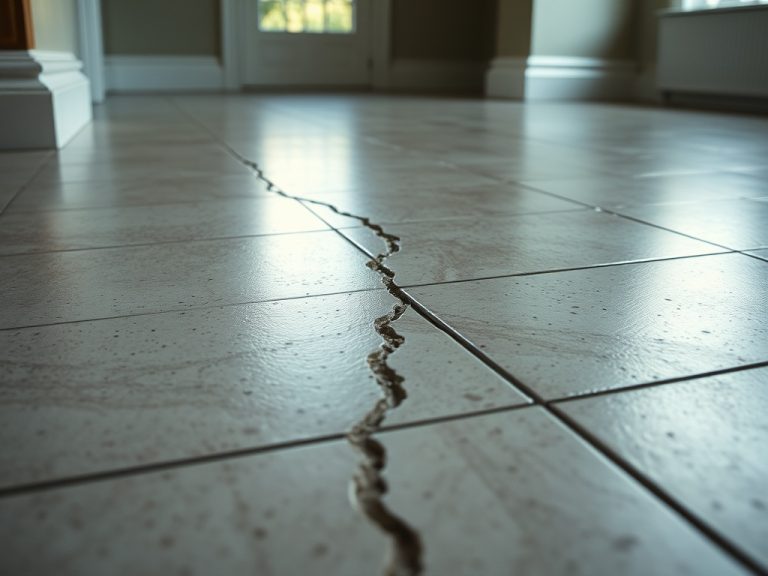
A leak is not only a plumbing issue. It can waste treated water, damage finishes, support mold growth, affect equipment, disrupt occupants, and create insurance or business-continuity concerns. Small leaks can become costly when they run unnoticed behind walls, under slabs, above ceilings, or through irrigation systems.
EPA WaterSense’s leak detection and repair guidance is part of its commercial and institutional best management practices. It frames leak detection as a way to understand water use and reduce facility water waste. That sustainability lens becomes stronger when paired with risk reduction: the same early warning can protect assets and operations.
The Department of Energy’s distribution system audit, leak detection, and repair BMP also highlights audits and leak detection programs as methods for identifying and reducing water losses. For facility teams, the message is clear: leaks should be managed as a program, not only as isolated repairs.
Match detection methods to risk
| Detection method | Best use | Limitation |
|---|---|---|
| Manual inspections | Restrooms, mechanical rooms, roofs, irrigation, visible piping | Depends on route discipline and staff attention |
| Utility bill review | Whole-building consumption trends | May find leaks late or miss small internal issues |
| Submetering | Cooling towers, irrigation, process water, tenant areas | Requires meter planning and trend review |
| Flow monitoring devices | Abnormal use alerts and automatic shutoff in some applications | Needs correct setup and response procedure |
| Point leak sensors | High-consequence areas such as server rooms, risers, under equipment | Only detects water where sensors are placed |
| Acoustic or specialist surveys | Underground or hidden distribution leaks | May require outside expertise |
No single method catches every leak. A good program layers methods based on consequence. A janitor’s closet may need routine inspection. A data room or medical area may need point sensors. Irrigation may need submetering and seasonal checks.
Use measurement before the emergency
Water management starts with knowing normal use. EPA’s commercial buildings WaterSense resources encourage facilities to understand water-using processes and use tools such as planning, metering, and leak detection. In practical terms, teams should learn the building’s baseline use by day, week, season, and occupancy pattern.
Abnormal use can signal leaks, stuck valves, cooling tower issues, irrigation failures, running fixtures, or process changes. A weekend water spike in an office building may deserve immediate investigation. A slow increase over several months may point to hidden deterioration.
Leak data can also support maintenance planning. If a building already struggles with ductwork moisture or inspection issues, water trend data can help separate HVAC condensate problems from plumbing or envelope sources.
Make inspections specific and repeatable
A leak route should not be a vague walk-around. It should list high-risk locations, what to look for, what to listen for, and how to report findings. Include mechanical rooms, restrooms, janitor closets, kitchens, risers, water heaters, pumps, cooling towers, irrigation controls, roof drains, basements, and areas with previous leaks.
Train staff to notice secondary clues: stains, soft flooring, musty odors, mineral deposits, running water sounds, unexplained humidity, pump cycling, wet insulation, and unexpected discharge to drains. These clues are especially useful during renovation or phased work. When teams plan construction sequencing around active operations, leak checks should be part of shutdown, startup, and area turnover.
Sensors need response plans
Leak sensors and flow monitors can be valuable, but alerts only reduce risk when someone responds. Before installing devices, define who receives alerts, what they do after hours, how shutoff authority works, and how repairs are verified. Without that workflow, technology may create alarm fatigue.
Automatic shutoff can be useful in some settings, but it must be evaluated carefully. Shutting water off to a process, medical function, fire-related system, or occupied building area can create its own risk. Qualified professionals should review critical applications.

: Close editorial photo of point leak sensor under commercial sink or equipment, no logos or readable markings.[/B]
Sustainability reporting should connect to operations
Leak detection supports sustainability because avoided water waste reduces demand on treated water supplies and may reduce related energy use for pumping, heating, or process systems. Still, avoid making unsupported savings claims without measurement. The credible path is to record baseline use, find abnormal consumption, repair the issue, and compare post-repair trends.
This same data helps leadership understand risk. A leak repaired quickly is not only a green success. It may have prevented ceiling damage, tenant disruption, microbial growth, slip hazards, or equipment downtime. Framing the result in both sustainability and operational language helps justify continued attention.
Common program mistakes
Avoid installing sensors only in easy places while ignoring high-consequence areas. Avoid reviewing utility bills too late to catch active waste. Avoid treating irrigation separately when it may be a major source of seasonal loss. Avoid closing work orders before confirming the leak stopped. Avoid collecting meter data that no one reviews.
Another mistake is failing to involve occupants. People who use the building often notice running fixtures, damp odors, or ceiling spots before the maintenance team does. A simple reporting channel can turn occupants into early-warning partners.
Leak detection program checklist
A practical program should include:
- Baseline water use by building, meter, or system where possible.
- A list of high-consequence leak locations.
- Routine inspection routes with clear observations.
- Meter, submeter, or flow-monitor review intervals.
- Alert response roles and after-hours procedures.
- Repair verification and photo documentation.
- Trend review after repairs.
- Occupant reporting instructions.
This article is for informational and educational purposes only. It does not constitute engineering, plumbing, environmental, legal, compliance, insurance, or project management advice. Leak detection and shutoff strategies should be designed for the building type, system criticality, local codes, and qualified professional guidance.
Make leak response part of everyday building performance
Leak detection works best when it is routine. Meter the right systems, inspect the right places, respond to alerts, and verify repairs. The next useful step is to mark the five highest-consequence leak locations in your building and decide how each one would be detected after hours.