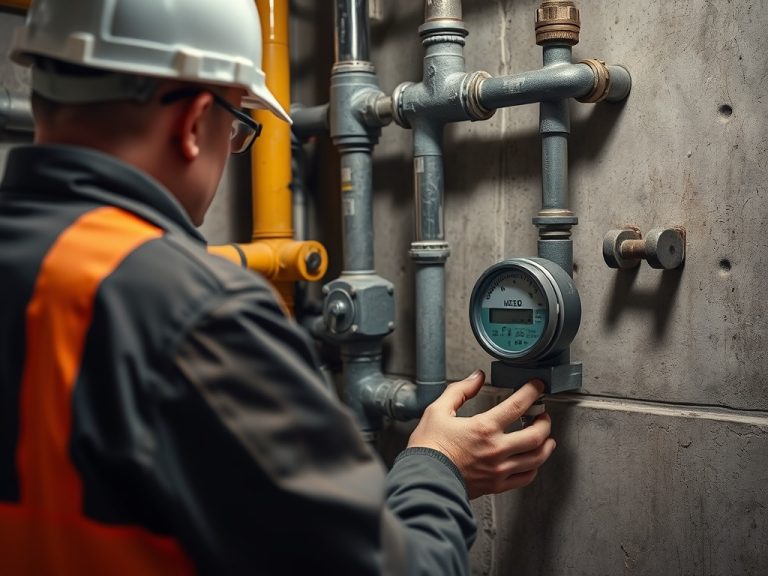
Ductwork work matters when it solves a verified airflow, contamination, leakage, moisture, or access problem. Cleaning alone is not the default answer; the best sequence is inspection first, targeted cleaning where evidence supports it, sealing where leakage is accessible, and verification before the job is closed.
TL;DR: Start with a documented inspection, not a generic cleaning coupon. Clean when there is visible contamination or a defined hygiene need, seal accessible leaks with durable materials, protect coils and air handlers during the work, and ask for before-and-after evidence.
Start with evidence, not assumptions
Air ducts are hidden, so they attract broad claims. A dusty register does not automatically mean the whole system needs cleaning, and a comfort complaint does not always mean dirty ductwork. First ask: what problem is the duct system creating, and where is the proof?
The EPA guidance on air duct cleaning cautions against treating duct cleaning as a blanket health solution. It points readers toward specific conditions such as substantial mold growth inside hard-surface ducts, vermin infestation, or ducts clogged with excessive dust and debris that release particles into occupied spaces. That is a more practical standard than simply cleaning because time has passed.
A sound inspection looks beyond the duct interior. It checks filters, return pathways, blower compartments, coils, condensate pans, insulation, leakage at joints, disconnected runs, and signs of moisture. When moisture is involved, the air system may be only one part of the story. Building teams that already track water leak detection as a sustainability and risk-reduction strategy are better positioned to catch condensate, envelope, or plumbing issues before they keep contaminating the HVAC system.
Cleaning, sealing, and inspection solve different problems
| Task | Best use case | What to verify before payment |
|---|---|---|
| Inspection | Unknown airflow, odor, dust, moisture, or access concern | Photos, affected locations, likely causes, and a clear scope |
| Cleaning | Visible debris, documented contamination, post-construction dust, or hygiene restoration | Protected equipment, removed debris, and access panel closure |
| Sealing | Leaky joints, disconnected runs, comfort imbalance, or ducts in unconditioned spaces | Durable sealant, repaired connections, and accessible leakage points addressed |
| Follow-up maintenance | Preventing repeat contamination | Filter fit, drain performance, coil condition, and occupant complaint log |
This distinction matters because cleaning does not seal leaks, sealing does not remove debris, and a visual inspection does not prove airflow performance. On commercial projects, ductwork issues also interact with layout, access, ceilings, and other building systems. Early coordination with nearby trades, similar to the logic behind 3D coordination before installation starts, can prevent access panels from being blocked or duct routes from becoming difficult to maintain.
What a useful inspection should include
A useful duct inspection should be specific enough that a second qualified person could understand the findings. At minimum, it should identify the inspected areas, the access method, visible conditions, and any limitations. A vague statement such as “ducts are dirty” is not enough to justify a broad scope.
Ask for documentation of supply ducts, returns, registers, air handler cabinet, accessible coil areas, drain pans, and filter racks. In larger buildings, include access doors, damper locations, duct liner condition, and zones affected by renovation dust. If a section cannot be inspected safely, that limitation should be stated.
Inspection also helps define what not to do. Flex duct can be damaged by aggressive tools. Internally lined ducts may require special care. Ducts with suspected microbial growth require moisture control, not only surface treatment. If asbestos-containing materials, lead hazards, or other regulated materials may be present, the work should pause until appropriate qualified professionals evaluate the condition.
Sealing often has a clearer comfort purpose
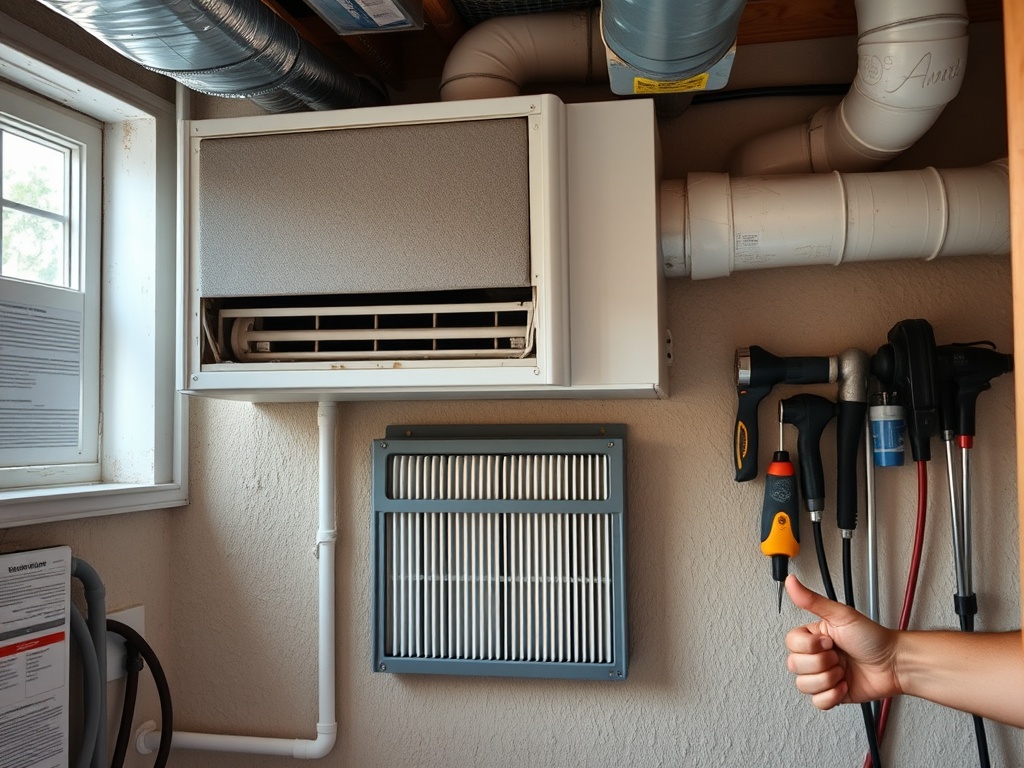
Duct sealing is most valuable when leaks allow conditioned air to escape into attics, crawlspaces, garages, ceiling cavities, or other uncontrolled spaces. The ENERGY STAR duct sealing guidance recommends sealing accessible leaks with mastic sealant or metal tape and warns that ordinary duct tape is not long-lasting for this purpose. That distinction is practical: the material has to survive temperature swings, vibration, and service life demands.
Sealing should focus on joints, seams, boots, plenums, and disconnected runs that can be reached safely. It should not cover over damaged duct sections that need repair or replacement. In some homes, sealing the duct system can reduce comfort complaints by delivering more air to intended rooms. In commercial settings, it may also support better balancing, but outcomes depend on system design, equipment capacity, controls, and existing condition.
A common mistake is sealing only the parts that are easy to photograph while leaving major leakage at return plenums or inaccessible transitions. Another is sealing without checking combustion safety in homes with atmospherically vented appliances. Duct pressure changes can affect building pressure relationships, so contractors should consider the whole mechanical context before making broad claims.
Cleaning done right is controlled, not theatrical
Professional duct cleaning should use source removal methods that capture loosened debris rather than spread it through the building. The NADCA ACR Standard is a recognized industry reference for assessment, cleaning, restoration, and cleanliness verification of HVAC systems. For readers, the practical takeaway is to ask how the contractor will contain dust, protect coils, reach hidden sections, and verify the result.
Avoid relying on fragrance, fogging, or sanitizer language as proof of a cleaner system. Biocides and sealants should only be used when appropriate for the material, label, and condition, and they are not substitutes for removing debris or fixing moisture. If a contractor recommends chemical treatment, ask what product is being used, where it will be applied, why it is necessary, and what safety information applies.
Mistakes that create repeat duct problems
The biggest ductwork failures usually come from solving the visible symptom while ignoring the cause. Replacing a filter does not fix a loose return duct pulling dusty attic air. Cleaning registers does not fix construction dust that keeps entering through open returns during renovation. Sealing one boot does not correct a crushed flex run. A better scope connects each action to a problem.
Watch for these warning signs:
- No pre-work photos or access plan.
- A fixed-price cleaning quote before anyone understands system size and access.
- No discussion of moisture, filtration, coil condition, or return leakage.
- Promises that cleaning will cure health symptoms.
- No plan to protect occupied areas during debris removal.
- No final documentation showing what was cleaned, sealed, repaired, or excluded.
A practical approval checklist
Before approving duct cleaning, sealing, or inspection work, ask these questions:
- What condition triggered the work request?
- Which parts of the system were inspected, and which were not accessible?
- Is the primary issue cleanliness, leakage, moisture, airflow, odor, or renovation dust?
- What materials and methods will be used for sealing?
- How will debris be captured during cleaning?
- Are there duct liners, flex ducts, dampers, or coils that need special protection?
- What verification will be provided after the work?
- What maintenance step prevents the same issue from returning?
This article is for educational purposes only and does not replace professional engineering, industrial hygiene, code, legal, or project management advice. Requirements and best practices can vary by building type, location, system design, and jurisdiction.
Choose the work that solves the actual duct problem
The smartest ductwork decision is not always the most expensive service. Start with documented conditions, match the service to the defect, and keep the closeout evidence. If the issue involves moisture, occupant complaints, or commercial system performance, bring in qualified HVAC, building science, or environmental professionals before the problem becomes a cycle of repeat cleaning.