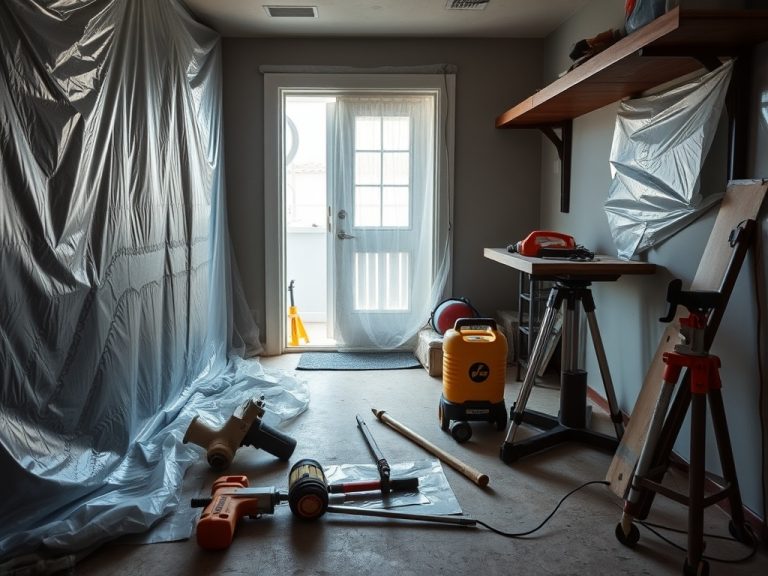
Indoor tile cracking and grout failure usually point to movement, substrate deflection, poor bond, missing movement joints, moisture, installation errors, or stress transferred from the structure below. The visible crack is the symptom; the assembly below often explains the failure.
TL;DR: Do not repair cracked grout or tile until you understand the movement source. Look at substrate stability, control joints, mortar coverage, moisture exposure, perimeter joints, transitions, and whether the tile assembly was designed to accommodate movement.
Tile is durable, but the assembly must move correctly
Tile feels rigid, and that is part of its appeal. The same rigidity makes it unforgiving when the substrate moves, bends, shrinks, expands, or cracks. Grout is not a structural repair material. If it cracks repeatedly, it may be telling you that the tile assembly is moving in a way it was not designed to handle.
The Tile Council of North America explains in its cracked or loose grout FAQ that common causes may include excessive substrate deflection, installation issues, and other site-specific factors that often require inspection. That cautious language is useful. Without looking below the surface, no one can responsibly diagnose every cracked grout line from a photo.
The repair approach should begin with questions: Is the crack isolated or widespread? Does it follow a straight line? Is it near a doorway, transition, heating source, control joint, or room perimeter? Does the tile sound hollow? Has moisture been present? Was heavy equipment or furniture moved across the floor? Each answer narrows the cause.
What the crack pattern can suggest
| Visible symptom | Possible cause | What to inspect next |
|---|---|---|
| Straight crack through several tiles | Substrate crack or control joint reflecting through tile | Concrete joints, slab cracking, movement joint placement |
| Repeated cracked grout | Substrate movement, poor grout packing, or missing movement accommodation | Deflection, joint depth, perimeter conditions |
| Hollow-sounding tile | Loss of bond or voids below tile | Mortar coverage, substrate contamination, moisture |
| Cracks near room edges | Lack of perimeter movement space | Baseboards, sealant joints, tight tile cuts |
| Loose tile in wet areas | Moisture intrusion or bond failure | Waterproofing, drainage, substrate condition |
The table is a guide, not a diagnosis. The same symptom can have several causes, and destructive inspection may be required before repair.
Substrate movement is a leading suspect
The tile surface depends on the support below it. Wood floors can deflect. Concrete can shrink, crack, or move at control joints. Backer boards can be improperly fastened. Existing flooring layers can create weak bonds. If the substrate moves, the tile and grout may crack even if the tile itself is high quality.
The TCNA Handbook is designed to clarify and standardize tile installation specifications and methods. One practical takeaway is that tile work should be matched to the specific substrate, material, and exposure condition. A method that works over one assembly may not work over another.
If a building has a pattern of unresolved finish issues, the problem may connect to wider facility practices. Teams tracking deferred maintenance in growing organizations should record repeated tile repairs as asset-condition evidence, not only as cosmetic complaints.
Movement joints are not optional decoration
Tile assemblies need movement accommodation. The International Masonry Institute notes in its tile movement joint detail that expansion joints in tile floors are essential and required to accommodate building movements and help prevent cracks from telegraphing through the finish. The exact joint design should follow applicable standards, project documents, and qualified professional guidance.
Missing or filled movement joints are common problems. Grout used where a flexible sealant is needed can crack because the joint is expected to move. Tile cut tightly to walls, columns, thresholds, or tubs can also create stress. In large rooms, sunny areas, heated floors, and wet areas, movement planning becomes more important.
Do not assume movement joints are a purely aesthetic compromise. They protect the assembly. A well-placed joint may be less noticeable than a random crack across finished tile.
Moisture can weaken bonds and hide the real cause
Moisture can enter tile assemblies through failed sealant, poor waterproofing, leaking fixtures, wet slabs, cleaning practices, or exterior transitions. In wet areas, grout is not the waterproofing layer. If water reaches a vulnerable substrate, tile can loosen, grout can deteriorate, and repairs may fail quickly.
This is where leak awareness matters. A facility or homeowner using water leak detection as a risk-reduction strategy may catch moisture patterns before they cause broader finish damage. For homes, stains at baseboards, musty odors, repeated caulk failure, and loose tiles near showers or entries deserve closer attention.
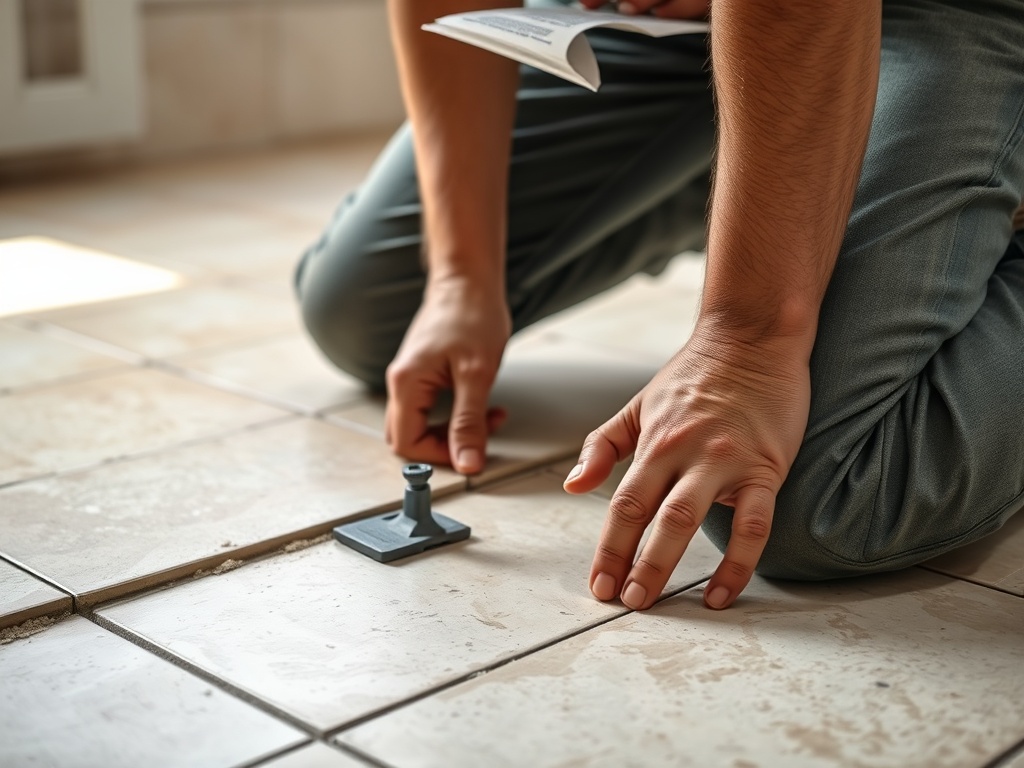
: Inspector checking hollow tile with a small tool from side angle, no logos, no readable notes.[/B]
Repair depends on cause, not appearance
A surface repair may be reasonable for isolated cosmetic grout issues where the substrate is stable and the joint was poorly packed. It is not enough when the floor is moving, the bond is failing, or moisture is active. Regrouting a moving joint can simply reset the clock until the next crack.
Potential corrective actions may include removing and resetting affected tiles, addressing substrate cracks, adding appropriate movement joints, improving waterproofing, repairing leaks, replacing failed underlayment, or rebuilding the assembly. In some cases, an installer, tile consultant, engineer, or building envelope professional may need to evaluate the condition.
Mistakes that make tile failures worse
Avoid filling every crack with grout or caulk without investigation. Avoid installing new tile over an unstable substrate. Avoid covering concrete control joints without an appropriate design. Avoid using rigid grout at changes of plane where movement is expected. Avoid assuming large-format tile can hide substrate problems; it often makes flatness and movement issues more visible.
Also avoid ignoring hollow sounds. Not every hollow tile is an immediate emergency, but widespread hollow areas can suggest bond problems that may expand under traffic or moisture.
Tile failure investigation checklist
Before repair, document:
- Crack pattern and location.
- Tile type, size, and installation age.
- Substrate type where known.
- Nearby control joints, transitions, doorways, and perimeters.
- Moisture sources or wet cleaning practices.
- Hollow-sounding areas.
- Heavy loads or impact history.
- Previous repairs and how long they lasted.
This content is for informational and educational purposes only and does not replace professional tile inspection, engineering, waterproofing, code, legal, or project management advice. Standards and installation requirements vary by assembly, material, and jurisdiction.
Repair the assembly, not just the cracked line
Cracked tile and grout are messages from the assembly. Read the pattern, check movement and moisture, and repair the cause before restoring the finish. A practical next step is to mark the crack pattern on a floor plan and compare it with structural joints, plumbing areas, and traffic paths.