Chairside Milling Explained for Patients Considering Same-Day Restorations
Chairside milling is an in-office process that allows a dentist to design and machine certain restorations, often from a digital scan, during the same appointment or in a much shorter timeline than a traditional outside lab workflow. For patients, that can mean fewer visits for selected crowns, onlays, or similar restorations, but it does not mean every case is a perfect one-visit case.
Same-day restoration basics
- Chairside milling is about how a restoration is designed and made, not about whether every case is simple.
- The workflow usually includes a digital scan, on-screen design, milling, try-in, and final placement if the case is suitable.
- Real benefits can include speed and convenience. Limits can include material choice, bite complexity, and whether the tooth or gums are ready that day.
- People often confuse same-day scanning, same-day milling, temporary restorations, and final restorations. They are not identical.
What the term actually means
Patients usually hear this term when a dentist says something like, “We may be able to make your crown here.” In plain English, chairside milling means the restoration is fabricated in the office rather than sent through a conventional outside lab workflow.
The ADA's crown overview is helpful because it explains what crowns do: protect weak teeth, restore broken teeth, or cover other restorations. Chairside milling changes how some of those crowns are made, not why a crown is needed in the first place.
Where patients usually encounter it
Same-day crown appointments
This is the most common patient-facing use. The tooth is prepared, scanned digitally, designed on software, milled from a ceramic or similar block, tried in, adjusted, and bonded or cemented if everything looks right.
Inlays, onlays, and some smaller indirect restorations
These cases can be especially well-suited when the tooth structure and bite are straightforward.
Parts of larger digital workflows
Even when the final restoration is not milled chairside, digital scanning may still be part of the appointment. That is one reason people confuse digital dentistry with same-day final delivery.
What the appointment usually looks like
- Exam and diagnosis: The dentist confirms that the tooth and bite are appropriate for this approach.
- Preparation and digital scan: Instead of a traditional impression, many offices scan the tooth and surrounding bite.
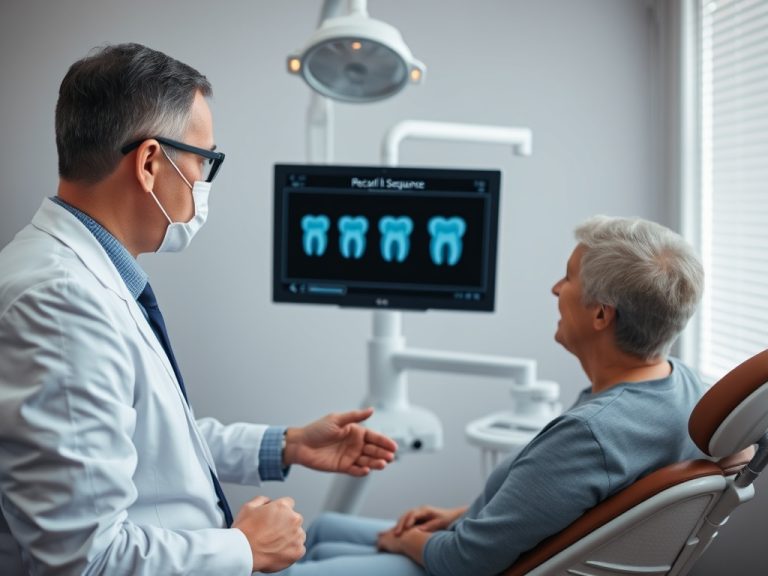
- On-screen design: The restoration is designed based on the scan.
- Milling: The in-office unit machines the restoration from a block.
- Try-in and adjustment: The dentist checks fit, contacts, edges, shade, and bite.
- Placement: If the restoration and tooth are ready, it may be cemented or bonded the same day.
Where the benefits are real
- fewer visits for selected cases
- no temporary crown in some situations
- quick adjustments while you are still in the office
- digital workflow convenience for patients who dislike traditional impressions
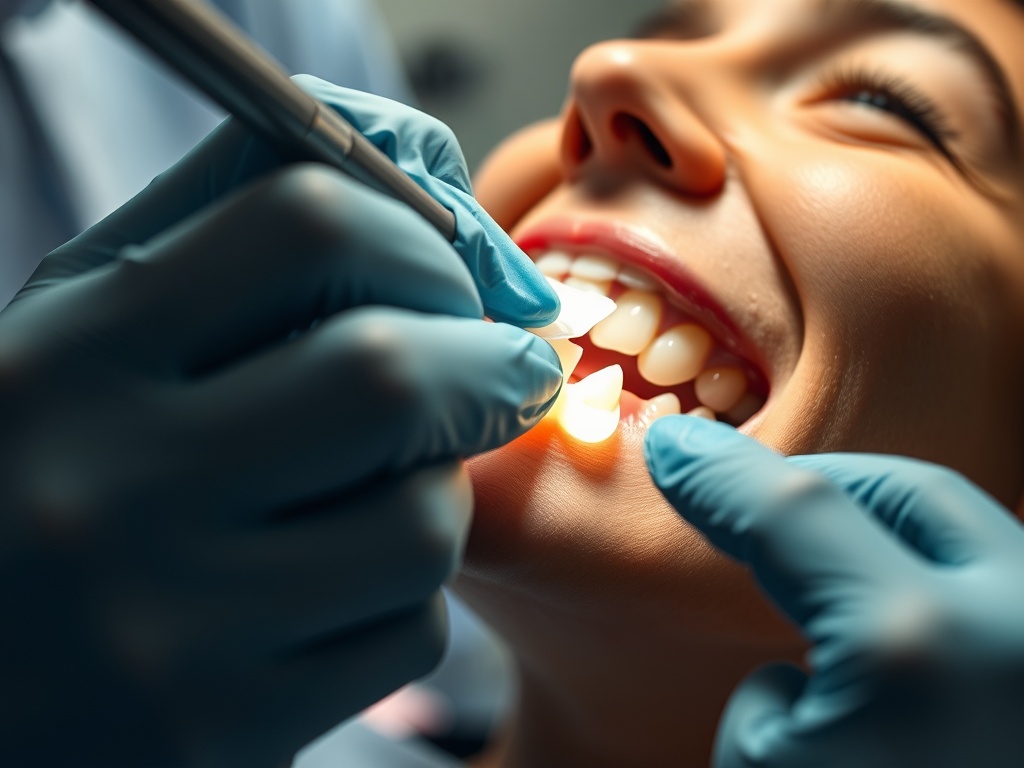
These benefits are practical, not magical. Same-day service can be a good fit when the tooth, tissues, material, and bite all cooperate.
Where claims can be overstated
Chairside milling is not automatically better for every tooth. A more complex bite, heavy grinding, limited access, difficult margins, gum irritation, or a need for layered esthetics may push a dentist toward a different workflow.
Speed also does not replace planning. If a broader case involves missing teeth, bite reconstruction, or implant stages, the convenience of same-day fabrication is only one small part of the plan. Our implant case study after bone loss shows how sequencing can matter more than speed.
What patients often confuse
| Often confused terms | What they actually mean |
|---|---|
| Digital scan | How the mouth is captured, not how the restoration is made |
| Chairside milling | In-office fabrication of certain restorations |
| Same-day restoration | A final restoration placed the same day, if the case is suitable |
| Temporary restoration | A short-term placeholder, not the same as a final milled piece |
| Lab-made crown | A restoration fabricated outside the office, often with more turnaround time |
Digital workflows also show up in orthodontics and treatment monitoring, which is why readers sometimes associate them with unrelated topics like braces. If that is your starting point, our guide to eating comfortably with braces covers the patient-experience side of another technology-driven treatment path.
Questions to ask before you choose a same-day option
- Is my tooth a good chairside-milling case, or just a possible one?
- What material are you recommending, and why?
- If the fit or bite is not right that day, what is the backup plan?
- Is this truly a final restoration or a provisional step?
- Will the broader treatment plan need review before we decide? If so, read how often a long-term treatment plan should be updated so you know what to revisit.
Who may not be a good same-day candidate
A same-day workflow may be less appropriate if the tooth has decay extending far below the gumline, if the bite is especially complex, if the tissue is bleeding too much for accurate scanning, or if a specialist needs to be part of the plan. In those cases, a slower lab-based or staged approach is not a downgrade. It may simply be the better fit for accuracy and durability.
One last distinction patients appreciate
A same-day restoration can still require careful adjustment and follow-up. Fast delivery does not remove the need to monitor bite comfort, sensitivity, gum response, or how the new restoration feels once you start chewing on it at home.
How to decide if same-day milling fits your case
Chairside milling is best understood as a workflow tool. In the right case, it can shorten treatment and make same-day restorations possible. In the wrong case, it can be the wrong shortcut.
Ask this at the consult: if your dentist mentions a same-day crown or similar restoration, ask not only “Can this be done today?” but also “Is today the best way to do it for my tooth, bite, and long-term plan?”
Who May Benefit From Chairside Milling Explained Patients Considering Same-Day Restorations
For Chairside Milling Explained Patients Considering Same-Day Restorations, the section on Who May Benefit From Chairside Milling Explained Patients Considering Same-Day should address diagnosis, tissue health, medical history, goals, and ability to maintain the result when maintenance is discussed, with those details checked again during the initial review. The clinician should explain which risk factor would make another approach more predictable for Chairside Milling Explained Patients Considering Same-Day Restorations after the examination is explained, connecting the recommendation to the examination and health history. A written summary helps the patient compare the next step for Chairside Milling Explained Patients Considering Same-Day Restorations when maintenance is discussed, especially when follow-up responsibilities are confirmed during the initial review.
Warning Signs for Chairside Milling Explained Patients Considering Same-Day Restorations
For Chairside Milling Explained Patients Considering Same-Day Restorations, the section on Warning Signs for Chairside Milling Explained Patients Considering Same-Day Restorations should address stable symptoms versus swelling, fever, trauma, bleeding, drainage, or loss of function while comfort and function are assessed, with those details checked again during the initial review.
Cost Planning for Chairside Milling Explained Patients Considering Same-Day Restorations
If Chairside Milling Explained for Patients Considering Same-Day Restorations involves insurance or financing, review authorization rules, total repayment, cancellation terms, and the effect of a changed plan. Budgeting for Chairside Milling Explained for Patients Considering Same-Day Restorations should also account for maintenance, future repairs, and appointments that may not be included in the initial fee as the long-term result is reviewed. An itemized estimate for Chairside Milling Explained for Patients Considering Same-Day Restorations should separate diagnosis, preparation, the main procedure, temporary care, laboratory work, and follow-up.