
Diabetes and Dental Care: Why Blood Sugar Control Affects Your Mouth
Blood sugar control affects your mouth because diabetes can change how the body responds to inflammation, healing, and infection. In practical terms, that can mean a higher risk of gum problems, dry mouth, oral infections, and slower recovery after dental treatment when glucose levels are not well controlled.
Diabetes and oral-health essentials
- Diabetes and oral health affect each other in both directions.
- Common mouth issues include bleeding gums, dry mouth, thrush, delayed healing, bad breath, and a higher risk of periodontal problems.
- Home steps may ease symptoms, but persistent infection, swelling, loose teeth, or nonhealing sores need professional care.
- Same-day dental care is appropriate for swelling, pus, worsening pain, or signs of infection. Medical-dental coordination matters when symptoms are recurrent or healing is slow.
Why diabetes shows up in the mouth
The connection is not just “sugar causes cavities.” The NIDDK's diabetes and dental problems page explains that diabetes is linked to gum disease and other oral problems. The NIDCR's diabetes and oral health page also notes that diabetes can affect oral health in several ways, including gum disease, dry mouth, and fungal infections.
Higher glucose levels can make it easier for inflammation to persist and harder for tissues to bounce back. That does not mean every dental issue is caused by diabetes, but it does mean a dentist may look at your blood sugar history as part of the picture, especially if gum symptoms keep returning.
Common symptoms and what they often point to
Bleeding or swollen gums
This may suggest gingivitis or periodontitis, especially if the problem is persistent. If you want a quick refresher on the difference, see our guide to gingivitis vs periodontitis.
Dry mouth
Dry mouth can happen for several reasons, including medications and diabetes. The NIDCR's dry mouth guidance notes that reduced saliva can affect comfort, eating, speaking, and cavity risk.
Thrush or burning sensations
People with diabetes may be more prone to fungal overgrowth, especially if dry mouth is also present.
Slow healing after dental work
If tissue stays tender, inflamed, or open longer than expected, the dental team may review blood sugar control, medications, oral hygiene, and whether the area is being irritated by bite forces or appliances.
Loose teeth, gum recession, or bad breath
These findings can point toward periodontal disease rather than a short-term irritation.
What you can do now versus what needs professional treatment
| If you notice… | Reasonable short-term steps | What may need definitive care |
|---|---|---|
| Mild dry mouth | Sip water, use sugar-free gum if appropriate, review medicines with your clinician | Targeted dry-mouth products, medication review, cavity prevention plan |
| Mild bleeding gums | Improve brushing and cleaning between teeth, resume routine if you have fallen off track | Professional cleaning, periodontal evaluation, shorter recall interval |
| Sore spots from appliances or dentures | Remove the source if safe, rinse gently, avoid further rubbing | Adjustment of the appliance, denture, or bite |
| Swelling, pus, or worsening pain | Call the office promptly; do not rely on home care alone | Same-day exam, drainage, endodontic or periodontal treatment, medication when indicated |
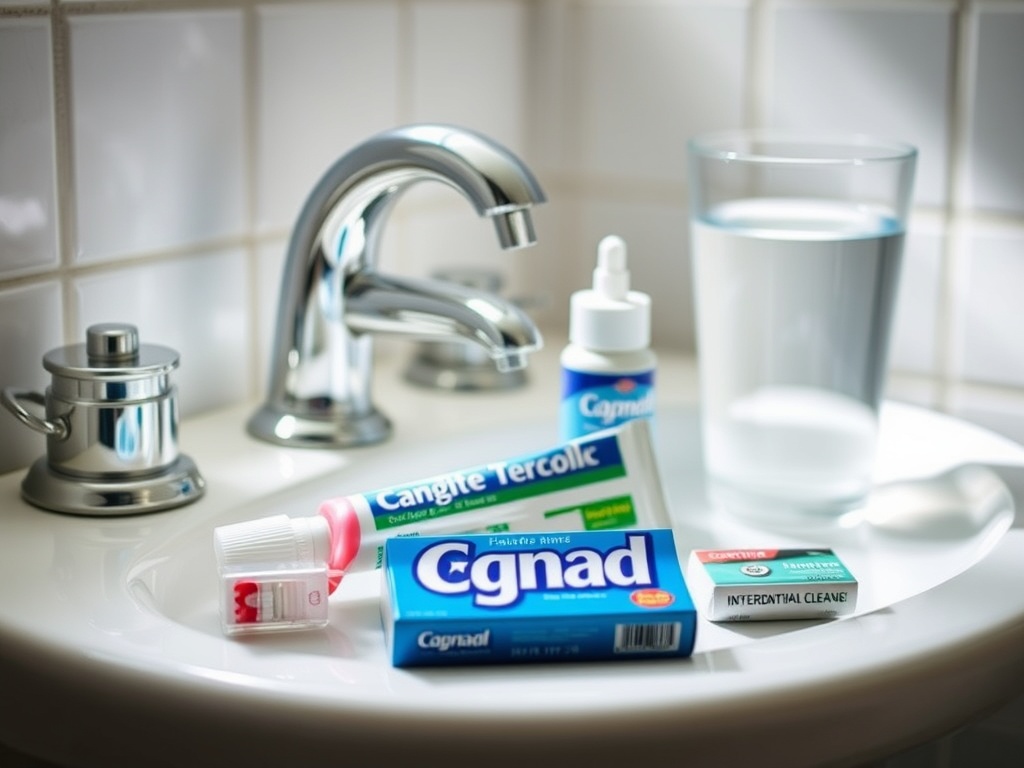
Short-term relief is useful, but it should not replace treatment when infection is part of the picture. If a tooth has become badly infected, the treatment question may shift toward saving it or replacing it later. That is where a comparison like root canal retreatment versus implant becomes relevant.
Questions About Diabetes Dental Care
Routine care is usually the right next step if you have:
- mild gum bleeding without swelling or severe pain
- dry mouth that is uncomfortable but not paired with infection
- questions about home care, diet, or fluoride
- a need for a cleaning, exam, or updated X-rays
Tell the office you have diabetes and mention recent changes in medications, A1C trends if you know them, and any history of slow healing.
Home Care and Follow-Up for Diabetes and Dental Care
Seek same-day dental care if you have facial swelling, pus, severe tooth pain, a bad taste that suggests drainage, or a fever. If swelling affects swallowing, breathing, or opening your mouth, that is an emergency.
Coordinated medical-dental follow-up is especially important when:
- gum disease seems to progress despite treatment
- sores are not healing
- recurrent fungal infections keep coming back
- you are preparing for surgery, implants, chemotherapy, or other major medical care
- blood sugar control has changed sharply and oral symptoms changed with it
For families managing routines around school, sports, and chronic conditions, our back-to-school dental checklist for families can also help with appointment planning and prevention habits.
Questions worth asking your dentist
- Are my gum findings mild inflammation, or do they suggest deeper periodontal disease?
- Does my dry mouth look medication-related, diabetes-related, or both?
- Should my cleaning interval change?
- Are there signs that this tooth needs endodontic or periodontal treatment rather than watchful waiting?
- Do you want me to coordinate with my physician before a procedure?
A practical visit-day tip
If you are scheduling non-urgent dental care, tell the office about your diabetes when you book. Bring an updated medication list, mention recent changes in glucose control, and ask whether they want you to eat, hydrate, or take medicines on your usual schedule before the visit. Those details do not replace medical advice, but they can make the appointment safer and more predictable.
How to protect your mouth when diabetes is in the picture
Diabetes does not automatically cause dental disease, but it can make routine oral problems easier to miss and harder to resolve. The goal is not perfection. It is early recognition, consistent home care, and faster follow-up when healing, infection, or gum stability become concerns.
At your next appointment: if you have diabetes and have noticed bleeding gums, dry mouth, or delayed healing, schedule a routine dental exam and bring an updated medication list so your dental plan can reflect your current health.
Reliable Guidance for Diabetes Dental Care
For Diabetes Dental Care, this part of Reliable Guidance for Diabetes Dental Care focuses on current guidance that explains benefits, limits, alternatives, and warning signs when a second opinion is considered, with the same details verified before the next appointment is booked. The clinician should also explain how general information differs from advice based on the actual examination for Diabetes Dental Care when the follow-up plan is written, using the examination and health history rather than a general assumption.
Cost Planning for Diabetes Dental Care
For Diabetes Dental Care, this part of Cost Planning for Diabetes Dental Care focuses on an itemized estimate that separates diagnosis, temporary care, laboratory work, treatment, and follow-up before temporary care is replaced, with the same details verified before the next appointment is booked. The clinician should also explain insurance assumptions, payment timing, and later maintenance expenses for Diabetes Dental Care as the treatment sequence is documented, using the examination and health history rather than a general assumption.
Reliable Guidance for Diabetes Dental Care During Planning
For Diabetes Dental Care, the section on Reliable Guidance for Diabetes Dental Care During Planning should address current guidance that explains benefits, limits, alternatives, and warning signs while recovery expectations are clarified, with those details checked again during the initial review. The clinician should explain how general information differs from advice based on the actual examination for Diabetes Dental Care when the diagnosis is confirmed, connecting the recommendation to the examination and health history. A written summary helps the patient compare the next step for Diabetes Dental Care while recovery expectations are clarified, especially when follow-up responsibilities are confirmed during the initial review.