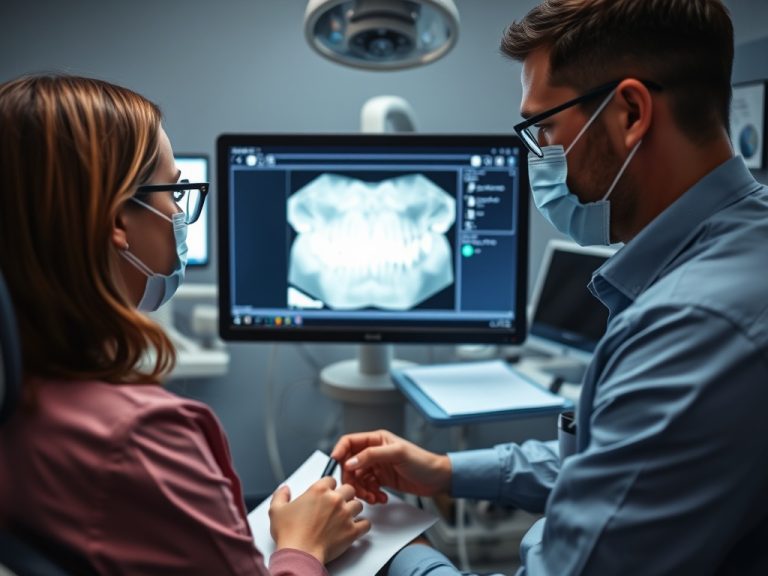
Case Study: Replacing Teeth After Bone Loss With a Staged Implant Plan
When bone loss is part of the picture, implant treatment often works best as a sequence rather than a single event. A staged plan can give the gums, bone, bite, and final restoration a better foundation, especially when tooth loss followed long-standing infection or delayed care.
Staged-implant roadmap
- This is a fictionalized composite case based on a common clinical pathway, not one individual patient.
- Bone loss does not automatically rule implants out, but it often changes the order and timing of care.
- The plan may include disease control, imaging, extraction or cleanup, grafting, implant placement, and then the final restoration.
- The “best” sequence depends on gum stability, bite forces, medical history, and what the patient needs from day to day while healing.
The starting point: a patient who wants fixed teeth but hears “there is bone loss”
Imagine a patient in their late 50s who lost two lower molars after years of intermittent gum problems. The main concern is practical: chewing is harder on one side, and the patient wants something fixed rather than a removable option.
At the first consult, the dentist finds a few issues at once:
- a history of periodontal inflammation
- reduced bone height and width in the missing-tooth area
- one neighboring tooth with wear from taking extra chewing load
- plaque control that is fair, but not yet strong enough for complex implant maintenance
This is where patients often hear mixed messages. One office says implants are possible. Another says there is not enough bone. Both can be true, because “possible” may depend on a staged approach.
Diagnosis first, not hardware first
The ADA's implant overview explains that some patients can have implants and replacement teeth placed quickly, while others need months before the final tooth is attached. That difference usually comes from the biology, not from sales language.
In this case, the diagnostic phase includes:
- a full periodontal exam
- updated imaging, often including 3D imaging if the surgeon thinks it is necessary
- bite evaluation
- review of smoking status, diabetes status, medications, and oral hygiene patterns
If the gums still bleed easily or pockets remain active, the first decision is not “which implant system?” It is disease control. Our article on gingivitis versus periodontitis explains why untreated gum disease can change everything that comes next.
Why a staged plan was chosen
The team recommends a staged approach because immediate implant placement would not solve the underlying support problem. The sequence looks something like this:
| Stage | Goal | Main trade-off |
|---|---|---|
| 1. Periodontal stabilization | Reduce inflammation and improve home care | Adds time before replacement begins |
| 2. Site preparation or extraction cleanup if needed | Remove infection and create a healthier site | May require a temporary chewing adjustment |
| 3. Bone grafting or ridge preservation | Improve the foundation for implant support | Requires healing time before the next phase |
| 4. Implant placement | Position the implant in a healthier, more stable site | Still not the final tooth in many cases |
| 5. Restoration phase | Add the crown or bridge component | Final shape and bite may need small adjustments |
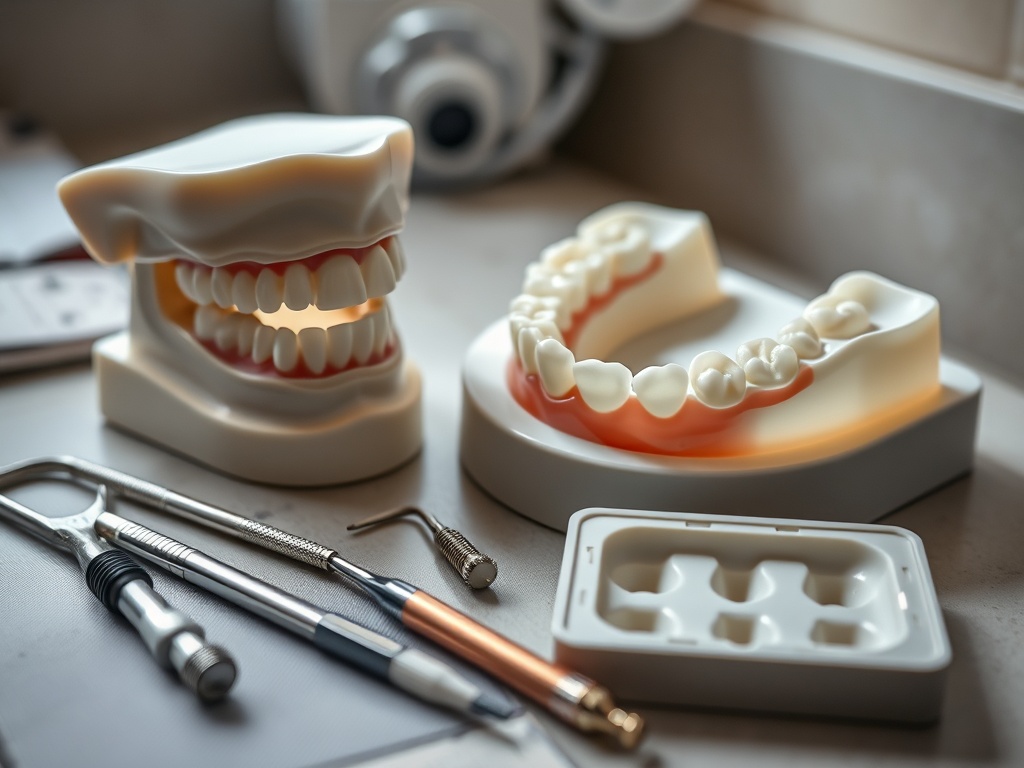
The patient is initially disappointed by the timeline. That is normal. But the trade-off is that rushing the implant into a compromised site may create bigger problems later.
The restoration stage is only one part of success
After healing, the implant is placed and later restored with a final crown. The patient likes that chewing is more balanced again, but the outcome is not described as “done forever.” It comes with conditions:
- maintenance visits matter
- gum inflammation has to stay controlled
- the bite has to be monitored
- home care around the implant must stay consistent
In some offices, digital scanning and fabrication tools can streamline the final restoration phase. If that part of treatment is new to you, see our explainer on chairside milling for same-day restorations.
What this case teaches
1. Bone loss changes sequencing
It does not always change the end goal, but it often changes the order of care.
2. Implant care starts before the implant is placed
A clean, stable periodontal environment matters before surgery, not only afterward.
3. Temporary inconvenience can support a better long-term plan
Patients often focus on the time added by grafting or healing. Dentists focus on whether the site will be healthier and more stable.
4. Treatment plans should be revisited as the case develops
Healing, imaging, and bite changes can shift what is reasonable. That is why a staged case often includes checkpoints. Our FAQ on how often a long-term treatment plan should be updated covers this in more detail.
Who might see a similar pathway
This kind of staged approach is common when someone has:
- missing teeth plus visible or suspected bone loss
- a history of periodontal disease
- extraction sites that healed with shrinkage
- medical or lifestyle factors that may affect healing
- a need for bite stabilization before the final restoration
It may be less likely in a healthy site with strong bone, stable gums, and simpler replacement needs.
During healing, some patients also need a temporary solution for chewing or appearance, such as a removable option, a short-term provisional, or simply a modified diet on that side. That part of the plan can feel inconvenient, but it is often preferable to forcing the final restoration before the tissues are ready.
What a staged implant pathway can look like
Replacing teeth after bone loss is often less about finding the fastest implant and more about creating the right environment in the right order. A staged plan can feel slower, but that slower pace may be exactly what makes the final restoration more predictable.
Bring these questions to consults: if you were told there is “not enough bone” for implants, ask what part of the plan is the limiting factor now and whether site preparation, grafting, or periodontal treatment could change the answer.
Comparing Options for Case Study Replacing Teeth Bone Loss Staged Implant
For Case Study Replacing Teeth Bone Loss Staged Implant, this part of Comparing Options for Case Study Replacing Teeth Bone Loss Staged focuses on benefit, limitations, durability, maintenance, timing, and total cost while risks and alternatives are compared, with the same details verified before the next appointment is booked.
Clinical Checks for Case Study Replacing Teeth Bone Loss Staged Implant
For Case Study Replacing Teeth Bone Loss Staged Implant, this part of Clinical Checks for Case Study Replacing Teeth Bone Loss Staged focuses on confirmed findings, measurements, imaging, and health-history factors when home-care instructions are prepared, with the same details verified before the next appointment is booked. The clinician should also explain what remains uncertain and whether another test or specialist opinion would alter the plan for Case Study Replacing Teeth Bone Loss Staged Implant when maintenance is discussed, using the examination and health history rather than a general assumption.
Mistakes to Avoid With Case Study Replacing Teeth Bone Loss Staged Implant
For Case Study Replacing Teeth Bone Loss Staged Implant, the section on Mistakes to Avoid With Case Study Replacing Teeth Bone Loss should address harsh home remedies, repeated temporary fixes, and delays that hide progression while cost and timing are compared, with those details checked again during the initial review. The clinician should explain which action could worsen pain, swelling, bleeding, fit, or tissue damage for Case Study Replacing Teeth Bone Loss Staged Implant during the initial review, connecting the recommendation to the examination and health history. A written summary helps the patient compare the next step for Case Study Replacing Teeth Bone Loss Staged Implant while cost and timing are compared, especially when follow-up responsibilities are confirmed during the initial review.