The best exercise plan for bone health and healthy aging combines weight-bearing activity, progressive strength training, balance work, and enough recovery to stay consistent. The goal is stronger movement, not risky intensity.
TL;DR: Bones Respond to Load, Muscles, and Balance
Bone-supportive exercise usually includes walking or other weight-bearing activity, resistance training, and balance practice. The NIAMS exercise for bone health guidance explains that exercise can support bone health across ages, while also noting that osteoporosis raises fracture risk. Exercise choice should match current ability, medical history, and fall risk.
Why Bone Health Needs More Than Walking
Walking is valuable, but bone health and healthy aging also depend on muscle strength, balance, posture, coordination, and the ability to get up from chairs, climb stairs, carry groceries, and recover from small stumbles. Strength training helps preserve function, while balance work may reduce fall risk when practiced safely.
A beginner does not need complicated workouts. A sustainable plan might include brisk walking, sit-to-stand practice, step-ups, resistance exercises, and gentle mobility. If mobility limits exercise comfort, mobility versus flexibility guidance can help distinguish stiffness from controllable range.
Exercise Categories That Matter
| Category | Examples | Why It Helps |
|---|---|---|
| Weight-bearing cardio | Walking, stair climbing, low-impact dancing | Loads the skeleton while building stamina |
| Resistance training | Squats to a chair, rows, presses, hinges | Builds muscle support around joints |
| Balance work | Tandem stance, single-leg support near a wall | Trains control and confidence |
| Power practice | Fast sit-to-stand, gentle step-ups | Supports quick force when appropriate |
| Mobility | Ankles, hips, upper back, shoulders | Helps movement feel smoother |
Not every exercise is right for every person. People with diagnosed osteoporosis, prior fractures, dizziness, neuropathy, or high fall risk should ask a clinician which movements are safe.
Best Beginner Exercises to Consider
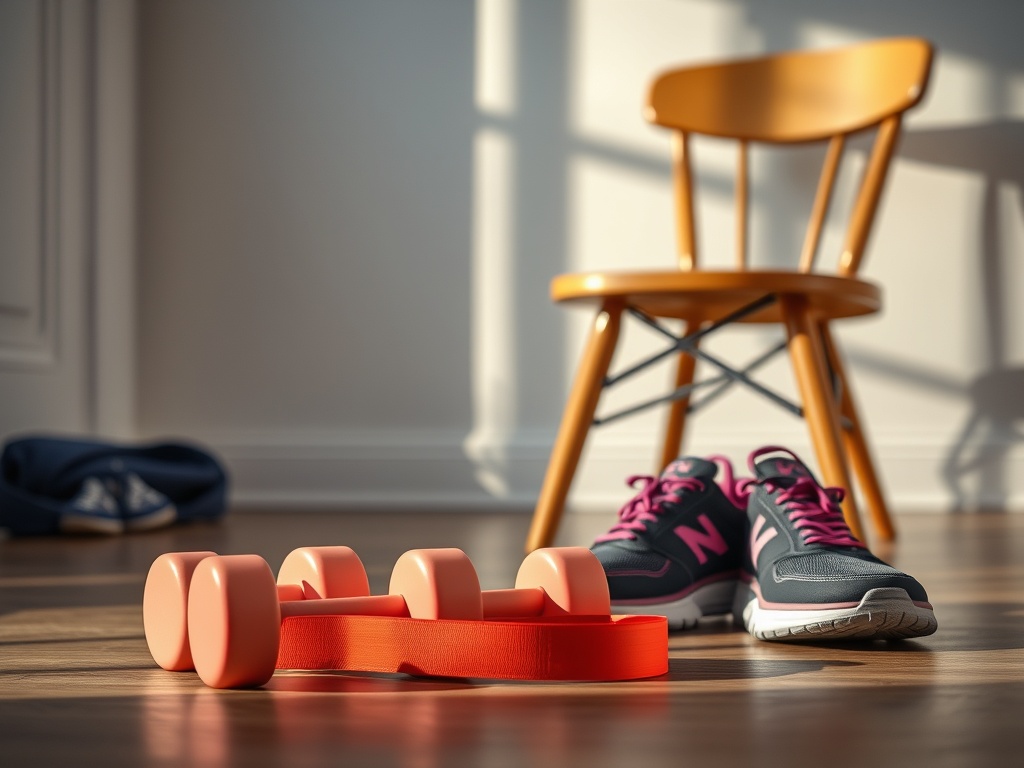
Sit-to-stand from a chair is one of the most practical strength moves for aging. Step-ups train legs and balance. Wall pushups or counter pushups build upper-body strength without getting on the floor. Resistance-band rows support posture and shoulder function. Farmer carries with light weights can train grip, trunk, and walking confidence.
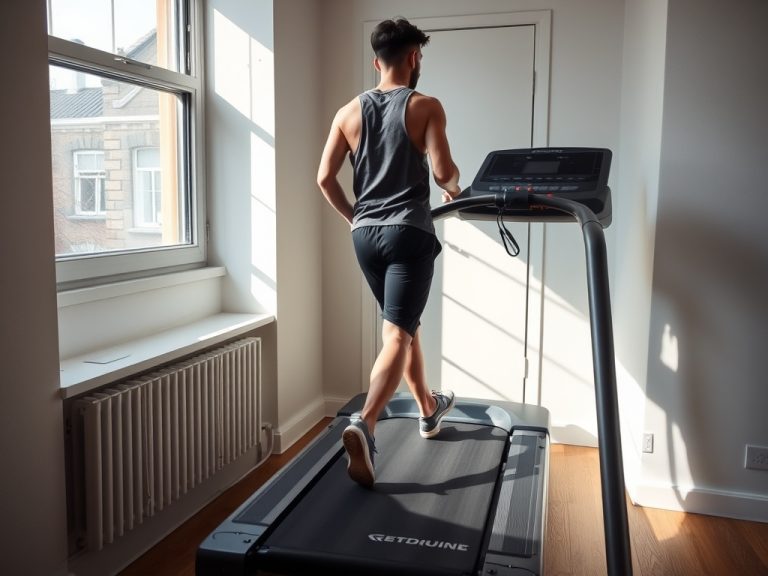
For cardio, walking remains an accessible base. Some people may use a treadmill for controlled conditions. The article on the FITT principle can help organize frequency, intensity, time, and type without turning the plan into guesswork.
Progression Without Risky Jumps
Progression can mean more repetitions, slightly more load, better control, longer walking time, or improved balance confidence. It does not have to mean jumping, heavy lifting, or high-impact exercise. The safest progression is usually small and trackable.
For example, a person might start with two sets of eight sit-to-stands, then move to two sets of ten, then hold a light weight. A walking plan might increase from 15 minutes to 20 minutes before adding hills.
What to Avoid or Modify
If osteoporosis is diagnosed or suspected, some loaded spinal flexion or twisting movements may need modification. High-impact jumping may not be appropriate for everyone. Balance drills should be done near support. Pain, dizziness, or unusual shortness of breath are not normal training goals.
The NIAMS bone health and osteoporosis resources can help readers understand the broader context of bone health, including risk factors and medical evaluation.
Strength Training for Daily Function
Healthy aging is not only about bone density. It is about staying capable. Training should support tasks such as standing from the floor, climbing steps, carrying bags, reaching shelves, and walking with confidence. Exercises that look simple can be powerful when repeated consistently.
Nutrition also matters. Calcium, vitamin D, protein, and overall energy intake may affect bone and muscle health. Label reading skills from nutrition label guidance can help shoppers make more informed choices, though individual needs may require clinical advice.
A Two-Day Starter Plan
Day one: warmup walk for five minutes, sit-to-stand, wall pushup, band row, step-up, and a supported balance hold. Day two: easy walk, hip hinge practice with a light object, calf raises, side steps, and gentle mobility. Keep sessions short enough to repeat and challenging enough to feel purposeful.
Progress Markers Beyond the Scale
Better markers include walking farther with less fatigue, standing from a chair more easily, carrying groceries confidently, improving balance hold time, and feeling steadier on stairs. These are measurable outcomes that connect to daily life.
A Safe First Step
Choose two strength exercises, one balance drill, and one walking goal for this week. Keep support nearby, move with control, and progress only after the current version feels stable.
How to Combine Exercise With Fall-Prevention Thinking
Bone-supportive exercise should also respect fall risk. A challenging balance drill is useful only if it is practiced safely. Stand near a wall, counter, or sturdy chair. Keep the area free of clutter. Avoid slippery socks or unstable surfaces unless supervised by a professional.
Strength training also helps fall prevention because stronger legs and hips support steadier movement. Simple exercises such as sit-to-stand, step-ups, heel raises, and supported lunges can be powerful when progressed gradually. The goal is confident movement, not gym complexity.
How Often Should Beginners Train?
A reasonable start is two strength-focused sessions per week, several walking days, and short balance practice most days. Balance work can be as simple as standing with feet close together near a counter, practicing controlled step-overs, or rising from a chair without using the hands if safe. Short frequent practice often works better than rare long sessions.
What Progress Can Look Like
Progress may mean using a slightly lower chair for sit-to-stand, carrying light groceries more comfortably, climbing stairs with less hesitation, or walking longer without fatigue. These practical changes matter. They show that exercise is transferring into daily life, which is the central goal of healthy aging.
How to Make Exercises More Accessible
Exercises can be scaled. Sit-to-stand can use a higher chair. Step-ups can use a low step and a railing. Wall pushups can become counter pushups before floor pushups. Carries can start with very light household items. Balance drills can be done with fingertips on a counter.
Scaling is not a sign that the exercise is less valuable. It is how you match load to current ability. A movement that is safe and repeatable has more long-term value than an impressive movement performed with fear.
How to Build Confidence
Confidence improves when the plan creates small wins. Track one daily-life marker such as stair comfort, walking time, chair rise ease, or steadiness while carrying groceries. When these markers improve, exercise feels connected to independence, not just to workouts.
Make the Home Environment Support the Plan
Place a sturdy chair, supportive shoes, and light resistance tools where they are easy to access. Remove trip hazards before balance practice. A safer setup makes the routine less intimidating and helps movement become part of ordinary life.
Ask About Bone-Specific Limits
If you have osteoporosis, osteopenia, a recent fracture, or long-term steroid use, ask a clinician which movements should be modified. Exercise is valuable, but the safest version depends on personal risk.
Include Posture and Pulling Strength
Many aging-focused routines overemphasize walking and underemphasize upper-back strength. Band rows, supported rows, wall slides, and gentle carries can help train posture and shoulder control. These movements also support daily tasks such as lifting bags, opening doors, and carrying household items.
Keep the movements comfortable and controlled. The aim is not to create soreness in the upper back. The aim is to build enough strength and awareness to move through the day with more confidence.