A weight loss plateau usually means your current habits now match your current body and routine. The solution is a calm audit, not extreme restriction or punishing exercise.
TL;DR: Plateaus Need Better Information, Not Panic
Before changing your plan, confirm that the plateau is real by looking at several weeks of trend data, not one weigh-in. Then review food intake, activity, sleep, stress, and consistency. The CDC healthy weight guidance emphasizes balanced eating and activity rather than eliminating whole categories of food. Small adjustments often work better than dramatic changes that are difficult to maintain.
What Counts as a Plateau?
A plateau is not a single week where weight does not move. Body weight can fluctuate because of sodium, digestion, menstrual cycle changes, training soreness, hydration, travel, or stress. A more useful definition is a stable trend over several weeks while your plan has been reasonably consistent.
This matters because reacting too quickly can create a cycle of unnecessary restriction. Advanced readers may already track calories, macros, steps, or training volume, but even detailed trackers can miss patterns. If label interpretation is part of your process, reading nutrition labels without getting misled can help you check the food data behind your plan.
Why Plateaus Happen Without Anything Being “Broken”
As body weight changes, energy needs can change too. Daily movement may also quietly decline when people diet or train hard. Portions may drift upward after early progress. Weekend intake may offset weekday consistency. Strength training can also increase muscle soreness and water retention, which can hide fat-loss progress temporarily.
None of this proves failure. It means the original deficit or activity pattern may no longer be producing the same measurable trend. The goal is to identify the smallest useful adjustment.
A Plateau Audit Before You Cut Calories
| Area to Review | What to Look For | Low-Drama Adjustment |
|---|---|---|
| Food tracking | Missed oils, snacks, drinks, sauces, portions | Track normally for 7 days before changing targets |
| Activity | Fewer steps, less cardio, skipped sessions | Add a short walk or restore previous movement |
| Training | Excess fatigue, reduced output, soreness | Keep strength work steady and avoid adding everything |
| Recovery | Poor sleep, stress, irregular meals | Stabilize schedule before reducing food further |
| Scale data | Daily spikes hiding trend | Use weekly averages, not isolated weigh-ins |
The table is a self-check, not a medical treatment plan. If weight change is unexplained, rapid, or linked with symptoms, a healthcare professional should evaluate it.

Small Food Adjustments That Do Not Feel Extreme
Start by tightening accuracy, not by slashing intake. Measure calorie-dense foods for a short period, especially oils, nut butters, dressings, snacks, and restaurant portions. Add more high-fiber foods if they help fullness. Spread protein across meals if that supports training and appetite. Avoid turning every meal into a math problem unless tracking is personally sustainable.
The NIDDK weight-management guidance warns against programs that make unrealistic promises, and the same principle applies to personal adjustments. A reasonable change should be repeatable on ordinary days.
Activity Changes That Preserve Recovery
Adding movement can help, but more is not always better. A short daily walk, two beginner treadmill sessions, or a modest step target may be enough to restore momentum. If treadmill work is appealing, beginner stamina workouts can help you add cardio without making the plan feel extreme.
Strength training should usually stay in the plan because it supports function and body composition. However, adding several hard sessions during a plateau can increase fatigue and water retention. Keep the strength program stable while you make one food or activity change.
Scale Trends, Smart Devices, and Emotional Distance
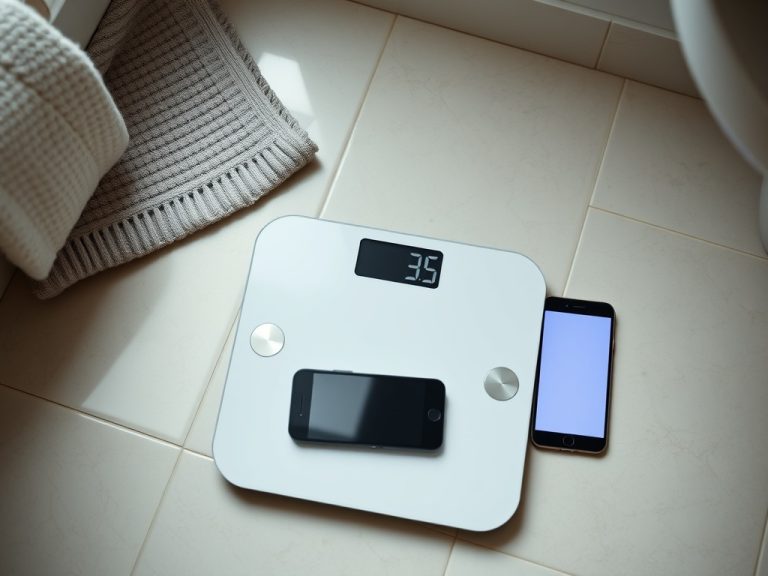
Daily weigh-ins can be useful for some people and stressful for others. Weekly averages are usually more meaningful than individual numbers. Smart scales can add body composition estimates, but those readings are influenced by hydration, timing, and device algorithms. If you use one, treat it as a trend tool, not a verdict. The article on smart scale trend tracking explains how to use this data with less obsession.
Mistakes That Make Plateaus Worse
A common mistake is cutting calories aggressively, then losing energy for training and daily movement. Another is adding intense workouts while sleep is already poor. A third is changing the plan every few days, which makes cause and effect impossible to see. A fourth is ignoring weekends, beverages, and restaurant meals because they feel separate from the “real” plan.
A Two-Week Reset Plan
For the first week, track your current habits without judgment. Confirm average weight, steps, workouts, sleep, and hunger. For the second week, choose one adjustment: add 15 minutes of walking on most days, reduce one calorie-dense add-on, or make protein and fiber more consistent. Do not add three changes at once. If the trend moves, continue. If nothing changes after several weeks, reassess with better data.
A Balanced Way to Continue
A plateau is a request for calibration. It is not a reason to punish your body. Choose the smallest change that you can repeat, monitor the trend, and protect training quality, sleep, and a healthy relationship with food.
How to Tell If Your Adjustment Is Working
After making one change, give it enough time to show a trend. For many people, two to four weeks is more informative than three days. Track the same data in the same way. If the weekly average begins moving and energy remains stable, the adjustment may be enough. If nothing changes, you have better information for the next decision.
Avoid judging the plan after a salty meal, hard leg workout, poor night of sleep, or travel day. Those factors can shift water weight and hide the trend. A plateau review works best when you separate noise from repeated patterns.
Why Extreme Changes Often Backfire
Extreme changes can reduce food flexibility, increase hunger, lower training quality, and make social eating harder. They may also encourage all-or-nothing thinking. If the plan feels impossible to live with, it is unlikely to solve the plateau for long. A smaller change that you can repeat is often more valuable.
This does not mean effort is irrelevant. It means effort should be directed. Tightening portions, adding planned walking, improving sleep routines, or simplifying weekend choices may be more effective than cutting out entire food groups without a reason.
When a Plateau Is Not the Main Issue
Sometimes the problem is not the scale. Strength may be improving. Measurements may be changing. Clothes may fit differently. Energy may be better. If those markers matter to your goal, include them in the review. Weight is one useful metric, but it is not the only sign of improved health or fitness.
How Training Can Hide Progress Temporarily
Hard resistance training can cause muscle damage at a small tissue level, followed by normal repair and fluid shifts. That can make the scale stall even when habits are solid. New cardio volume, heat, travel, and higher carbohydrate intake can do the same. This is why performance, measurements, and average trends should be reviewed together.
If you recently added workouts, give your body time to settle before cutting food again. You may need patience more than another deficit. If energy is low and workouts are declining, the smarter change may be recovery, not restriction.
A Better Plateau Question
Instead of asking, “Why is nothing working?” ask, “Which part of my current plan is least clear?” That might be portion accuracy, weekend consistency, step count, sleep, or stress eating. The clearest weak point is usually the best place to make a small change.
One Change Is Enough to Start
Choose one testable change for the next two weeks and write it down. A clear adjustment creates useful feedback, while several changes at once make the plateau harder to understand.