The best smart scale is not the one with the most numbers. It is the one that helps you track long-term trends calmly, protects privacy, and does not make daily fluctuations feel more important than they are.
TL;DR: Use Smart Scales for Trends, Not Daily Verdicts
A smart scale can help track weight trends, but body composition estimates can vary with hydration, timing, skin temperature, recent food, and device algorithms. Research settings such as Mayo Clinic body composition assessment research continue to examine the reliability of commercial body composition tools. For everyday use, weigh under similar conditions, review weekly or monthly averages, and avoid reacting to single readings.
What Smart Scales Actually Measure
Most consumer smart scales measure body weight directly and estimate body composition through bioelectrical impedance. A small electrical signal passes through the body, and the device uses equations to estimate metrics such as body fat percentage, muscle mass, water, or bone mass. These estimates are not the same as clinical body composition testing.
This does not make smart scales useless. It means they should be interpreted as rough trend tools. If weight management is the goal, pair scale data with habits discussed in breaking a weight loss plateau without extremes rather than treating the device as the whole plan.
Features That Matter More Than a Long Metrics List
Look for consistent weight measurement, a clear app experience, privacy controls, multi-user support if needed, export options, and the ability to view averages. A scale that gives fewer but clearer signals can be better than one that displays ten unstable metrics.
Also consider whether the app encourages a healthy relationship with data. If daily body metrics increase anxiety, a standard scale or less frequent weighing may be a better fit.
Smart Scale Decision Table
| Feature | Why It Matters | What to Prefer |
|---|---|---|
| Trend view | Reduces overreaction to water shifts | Weekly and monthly averages |
| Privacy settings | Health data can be sensitive | Clear controls and minimal sharing |
| Multi-user mode | Prevents mixed data | Automatic user recognition with review |
| Body composition estimates | Can show directional patterns | Treat as estimates, not facts |
| App design | Shapes behavior | Calm charts, no shaming language |
The CDC healthy weight guidance emphasizes balanced food and activity habits. A device should support those habits, not replace them.

How to Weigh Without Obsessing
Choose a consistent routine: same time of day, similar clothing, and similar conditions. Many people prefer morning after using the bathroom. Use weekly averages if daily weighing feels neutral. Use once-weekly weighing if daily numbers affect mood. Neither approach is morally better.
Daily weight can move because of sodium, carbohydrates, soreness, digestion, menstrual cycle changes, travel, and hydration. A high reading after a salty dinner is not a failed week. It is normal body variability.
When Body Composition Numbers Mislead
Body fat, muscle, water, and bone estimates may shift quickly in ways that do not reflect real tissue change. Hydration is a major reason. A hard workout can change fluid balance. A meal can change body water. Different devices may also give different numbers. Treat large short-term swings with caution.
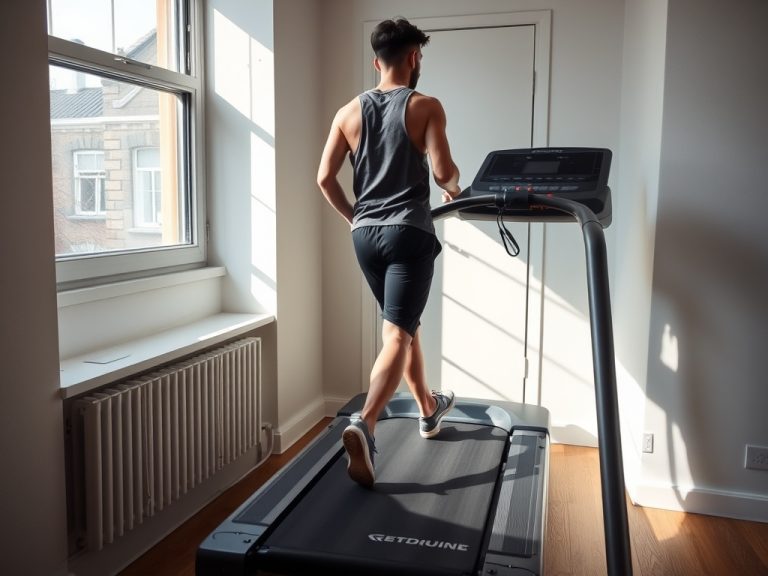
If training is your main focus, combine scale data with performance signals from beginner treadmill training or strength progress. Improved stamina, better lifting consistency, and better recovery may matter more than a single body composition estimate.
Who Should Be Careful With Smart Scales
People with a history of disordered eating, body image distress, compulsive tracking, pregnancy-related concerns, implanted medical devices, or specific medical conditions should be cautious and seek individual guidance. Some bioimpedance devices may not be appropriate for everyone. Product instructions and medical advice matter.
A Healthier Data Review Routine
Review your data once per week or once per month. Ask four questions: What is the trend? What habits were consistent? What changed in sleep, stress, food, or training? What single adjustment is worth trying? This turns the scale into one input among many.
If nutrition choices are part of your review, nutrition label reading skills can help you connect food decisions to patterns without relying only on body metrics.
Buying Criteria for a Bottom-of-Funnel Reader
A strong choice should be accurate enough for repeat weight tracking, easy to sync, transparent about privacy, simple for multiple users, and calm in how it presents data. Extra metrics are useful only if you can interpret them without stress. The best scale for one person may be the simplest model for another.
A Balanced Closing Thought
Use a smart scale if it helps you notice trends and make steadier decisions. Stop, reduce frequency, or switch tools if it makes normal fluctuations feel like failure. Health progress is broader than any device reading.
How to Set Boundaries Around Scale Data
Before buying or using a smart scale, decide how often you will review data and what you will do with it. A useful rule is to make decisions from trends, not single measurements. Another rule is to pair scale review with behavior review. Ask about sleep, training, food consistency, hydration, and stress before making any major change.
If the data affects your mood for the rest of the day, reduce frequency. You can weigh weekly, hide certain metrics, or use a non-smart scale. The right tool is the one that supports steadier habits.
Privacy and Data Ownership Questions
Smart scales often sync with apps, accounts, and sometimes third-party platforms. Before choosing one, review what data is collected, whether it can be exported, whether it can be deleted, and whether sharing settings are clear. Health-related data deserves more caution than ordinary shopping preferences.
What to Compare Before Buying
Compare reliability, app clarity, privacy controls, multi-user support, battery setup, and ease of viewing averages. Do not pay extra for metrics you will not use or cannot interpret. For many people, a reliable weight trend and a calm interface are more useful than a crowded dashboard.
How to Interpret a Sudden Jump
A sudden increase on the scale usually reflects water, food volume, sodium, digestion, or menstrual cycle changes more often than rapid tissue gain. Before reacting, look at the last seven to fourteen days. Did training change? Did restaurant meals increase? Was sleep poor? Did you travel? These clues explain many spikes.
If the long-term trend is still aligned with your goal, no change may be needed. If the trend has shifted for several weeks, review habits calmly and adjust one variable.
When a Smart Scale Is the Wrong Tool
A smart scale may be the wrong tool if it increases anxiety, encourages repeated weighing, or makes you ignore strength, stamina, mood, sleep, and health markers. In that case, a different tracking method may be healthier. Progress can be monitored through workouts completed, walking stamina, measurements, clothes fit, energy, or clinical markers when relevant.
Pair Numbers With Non-Scale Signals
When reviewing data, add at least two non-scale signals: workout consistency, walking stamina, sleep, hunger, mood, or clothing fit. This prevents a single number from controlling the whole interpretation.
Keep the Device in Its Place
A smart scale can support awareness, but it should not decide your worth, your food choices for the day, or whether a workout counts. Use it as one quiet measurement tool.
A Monthly Review Is Often Better Than a Daily Reaction
A monthly review lets you see trend direction, training consistency, and habit patterns without getting pulled into every fluctuation. Look at the average, the range, and the context. If the month included illness, travel, or a new training phase, interpret the numbers with that in mind.
Use the review to choose one next action. That might be keeping the plan the same, adjusting meal structure, adding a walk, or reducing weigh-in frequency.