
How to start collecting entertainment memorabilia without getting burned
Start collecting entertainment memorabilia by choosing a narrow category, learning what authentic proof looks like, buying from traceable sellers, and refusing deals that depend on urgency or vague certificates. The safest collection is built slowly with documentation, not excitement alone.
TL;DR: Pick one niche before spending serious money. | Treat provenance, authentication, condition, and seller history as part of the item. | Be skeptical of certificates that cannot be verified independently. | Keep records from the first purchase, even for inexpensive items.
Choose a collection lane first
Entertainment memorabilia can include posters, props, wardrobe pieces, autographs, scripts, lobby cards, production art, vinyl, tour items, comics, animation cels, limited merch, and awards-related material. A beginner should not chase all of it. Choose one lane with clear boundaries, such as “official tour posters from artists I have seen live” or “licensed film posters from one decade.”
A narrow lane helps you learn normal prices, common reproductions, condition language, and trustworthy sellers. It also keeps the collection meaningful rather than turning every nostalgic object into a purchase opportunity.
Understand the proof stack
Authentication is not a magic sticker. A strong proof stack can include chain of ownership, auction history, studio paperwork, matching production photographs, reputable third-party authentication, receipts, expert opinion, and physical consistency with the item’s supposed age and use. The more expensive the item, the stronger the proof should be.
The FBI describes art and cultural property crime as including theft, fraud, looting, and trafficking, which is a useful warning that collectible markets can involve more than harmless mistakes: the FBI’s Art Crime program. Entertainment memorabilia may seem more casual than fine art, but false signatures, fake certificates, and stolen items can still create real losses.
Read certificates carefully
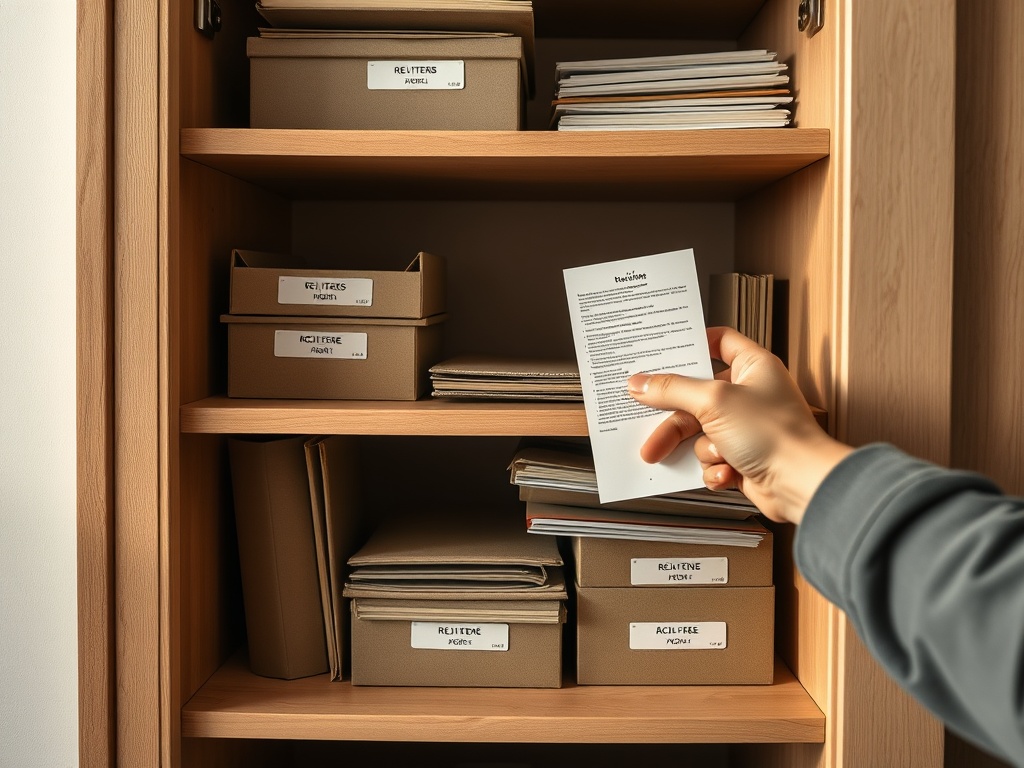
A certificate of authenticity is only as useful as the issuer behind it. Ask who issued it, how the item was examined, whether the certificate number can be verified, what the certificate actually guarantees, and whether the company still exists. A fancy-looking certificate from an unknown seller is not proof by itself.
Recent enforcement actions show why caution matters. The U.S. Department of Justice announced a guilty plea in a case involving fake sports and celebrity memorabilia, including counterfeit certificates of authenticity: the DOJ’s memorabilia fraud announcement. The lesson for collectors is direct: paperwork can be part of the fraud, not protection from it.
Buy the seller before the object
- Look for a real business identity, not only a marketplace username.
- Check return policies, dispute history, and how the seller answers detailed questions.
- Avoid sellers who cannot provide clear photos of signatures, marks, backs, edges, labels, or damage.
- Be wary of pressure language such as “private source,” “must sell today,” or “no questions asked.”
- Compare prices across completed sales, not only active listings.
Know which items need extra caution
| Item type | Why it is risky | Beginner safeguard |
|---|---|---|
| Autographs | Signatures are easy to forge and hard to judge from one photo | Use respected authentication and compare with known exemplars. |
| Props and wardrobe | Screen use can be difficult to prove | Look for production provenance and visual matching. |
| Limited merchandise | Bootlegs and reprints can imitate demand | Verify release source, edition details, and materials. |
| Scripts and production documents | Copies may be real but not rare | Check draft dates, provenance, and whether copies were widely circulated. |
Keep records from day one
Create a folder for every purchase. Save listing screenshots, receipts, seller messages, authentication documents, photos, shipping details, and your own notes about why you bought it. If you later sell, insure, donate, or pass down the item, those records become part of its value.
Collectors who also enjoy fandom discussion should keep speculation separate from provenance. A theory about an object’s history is not proof. The same discipline that keeps fan theories fun and respectful also protects collecting decisions: label what you know, what you infer, and what remains uncertain.
A beginner buying process
- Research the category for two weeks before the first meaningful purchase.
- Set a monthly budget and a maximum price for unverified items.
- Compare at least five similar sold items.
- Ask the seller for documentation and extra photos.
- Walk away if answers become vague, rushed, or emotional.
- Store the item properly and record the purchase immediately.
If your collecting interest grows out of film, animation, or exhibitions, learning production context can also help you spot unrealistic claims. A collector who understands how storyboards and layout passes function is less likely to overpay for a random sketch described as a production-used asset without evidence.
Build the collection you can defend
The safest memorabilia collection is not the biggest or flashiest. It is the one where each item has a reason, a record, and a level of proof appropriate to its price. Buy slowly, document everything, and let missed deals go. Another object will appear; lost trust is harder to replace.