
Baseball and softball hitting mechanics are the body positions and movement sequence that help a hitter see the pitch, stay balanced, and deliver the barrel on time. The fundamentals that matter most are stance, load, stride, rotation, contact position, and controlled finish.
Key takeaways for this guide
- Good mechanics create repeatable contact, not a perfect-looking swing.
- The lower body starts the move, but the head and barrel must stay controlled.
- Tee work, front toss, and live reps should build from simple to game-like.
- Video is useful only when it checks one or two cues at a time.
Start with balance before adding power
The narrowest way to understand this topic is to connect the rule or habit to the decision it creates. In skills, training & drills, readers often get stuck because they hear a familiar phrase and assume it means the same thing in every setting. It does not. Context, level of play, age, competition format, and equipment all change what the correct answer looks like.
A practical approach is to separate the verified fact from the coaching or fan interpretation. The fact might be a written rule, a published size range, a health guideline, or a competition format. The interpretation is how a team, player, coach, parent, or broadcaster responds to it. That distinction keeps the article useful without turning reasonable analysis into an unsupported claim.
The swing sequence that keeps the barrel on time
A good first step is to use an authoritative source as the boundary line. For this topic, MLB rules glossary helps ground the discussion before opinions or habits take over. That does not mean every local league, team, or athlete follows the same process, but it gives readers a trusted reference point.
Once the boundary is clear, the reader can make a better choice. Newcomers should focus on plain meanings and simple decision rules. Intermediate readers can compare trade-offs. Coaches, parents, players, and fans should look for repeatable behaviors that make practice, viewing, buying, travel, or planning easier and more measurable.
This is where examples matter. A rule can define what happens, but it does not always explain why people react differently. A coach may adjust the next practice, a parent may adjust a schedule, a buyer may choose a different size, and a fan may interpret the final result with more caution. The same fact can lead to several sensible responses.
A drill progression that avoids random reps
The easiest mistake is trying to solve everything at once. Pick one variable, test it, and watch whether the real-world result changes. Readers working on this topic may naturally continue with Mobility vs Flexibility: What Athletes Actually Need More Of? because the next decision often connects to the same performance, safety, or fan-experience problem.
The key is to make the next step specific. Do not ask only how to improve. Ask what action should be repeated this week, what rule or constraint affects it, and how success will be recognized. That question turns a broad article into a usable plan instead of a pile of disconnected tips.
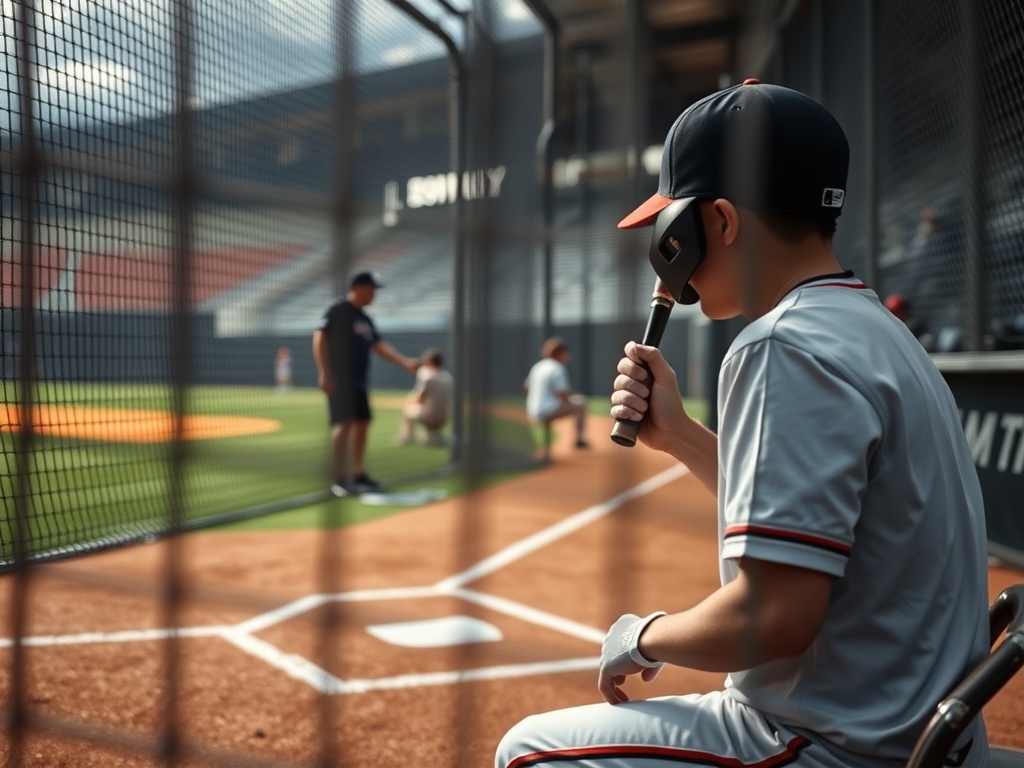
Coaching cues that actually transfer to games
The comparison below turns the main choices into a practical reference. Use it as a starting point, then adjust for league rules, athlete age, venue policy, team context, or level of competition.
| Situation or factor | What it usually means | What to watch |
|---|---|---|
| Stance | Athletic base, relaxed hands, eyes level | Can the hitter hold posture without swaying? |
| Load | Small move that gathers energy | Does the hitter stay under control? |
| Stride | Controlled move toward the pitch | Does the front side land balanced? |
| Rotation | Hips and torso turn through the ball | Is the head stable as the barrel enters the zone? |
| Contact | Palm-up/palm-down feel with strong posture | Is contact made out front for the pitch location? |
A table can simplify decisions, but it should not replace judgment. The right answer still depends on the sport, the person, and the environment. A player returning from soreness, a child with a packed school calendar, a fan in extreme heat, or a broadcaster facing a changing platform market all need a plan that responds to the actual constraint.
Measuring progress without overcoaching
The best swing work usually removes noise. A hitter who changes stance, hand position, bat size, and timing thought in the same week cannot tell which adjustment helped. A better approach is to define one cue, practice it at low speed, test it against movement, then bring it into batting practice only when the pattern holds.
For a related angle, readers can review How Visualization Helps Performance—and How to Do It Correctly to connect this topic with preparation habits beyond the immediate question. When health, safety, equipment, business claims, or official rules are involved, compare the advice with Human Kinetics Coach Education rather than relying only on sideline talk, social clips, or product descriptions.
A helpful rule is to change the plan when the evidence changes. If performance data, child feedback, weather, competition format, or equipment fit points in a different direction, the smartest move is not stubborn consistency. It is a controlled adjustment that keeps the main goal intact while reducing avoidable risk.
Hitter development recap
Before acting on the advice, run through a short check: What is the official rule or trusted guideline? What does the athlete, team, fan group, family, or organization actually need? What can be measured after one week or one event? What would signal that the plan should stop? A final supporting read is How to Choose a Baseball Glove by Position, Age, and Fit, especially for readers who want a broader view of how preparation choices connect across games, sports, and events.
Choose one swing cue for the next week of practice, film a few reps from the side, and measure whether contact quality improves before adding another adjustment.