Training during the menstrual cycle is best guided by your own patterns, not broad assumptions about what every phase should feel like. Track symptoms, energy, sleep, and performance, then adjust only when your data shows a useful pattern.
TL;DR: Track Patterns, Avoid Phase-Based Certainty
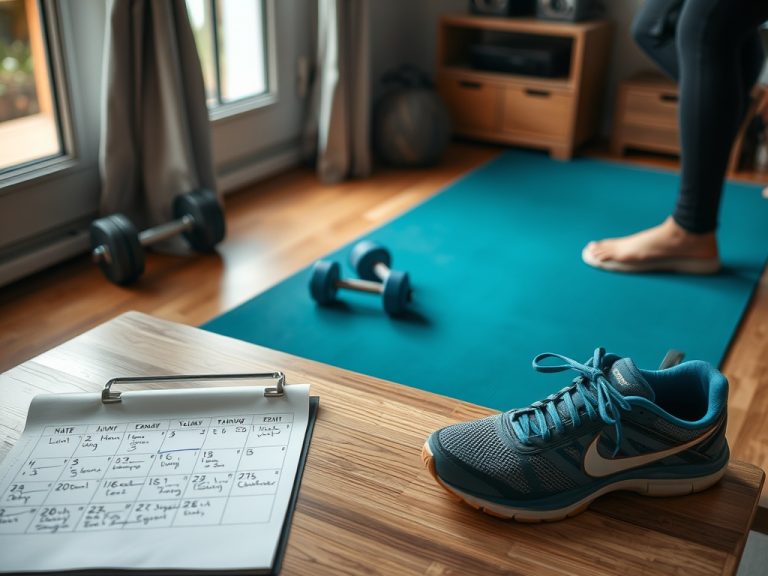
Some people notice predictable changes in energy, cramps, sleep, mood, or perceived effort across the cycle. Others do not. The Office on Women’s Health cycle and physical activity guidance suggests using a fitness journal to compare cycle timing with energy and workouts. That is different from claiming that every person should train hard or easy during a specific phase.
Why Cycle-Based Training Advice Can Be Misleading
Cycle-based training is popular because it promises a clean plan: lift heavy here, recover there, push cardio somewhere else. The problem is that menstrual cycles vary widely, and hormonal patterns are not the only factor affecting training. Sleep, food intake, stress, travel, medical conditions, contraception, perimenopause, and life workload can all change how a session feels.
A product-aware reader may use apps, wearables, or journals, but data should support decisions, not create pressure. If your training split is already demanding, compare it with full-body and upper-lower training options before assuming cycle phase is the main issue.
What Is Reasonable to Track
Track only data that helps you decide. Useful items include bleeding days, cramps, headaches, sleep, resting energy, mood, perceived exertion, workout completion, strength performance, cardio comfort, and unusual symptoms. You do not need to track everything forever. Two or three cycles may be enough to identify personal patterns.
Research projects such as the Harvard Apple Women’s Health Study update show why cycle-related exercise data is being studied, but population-level observations should not be treated as instructions for one person.
What Not to Assume
Do not assume you are weak during menstruation. Do not assume ovulation guarantees peak performance. Do not assume premenstrual days require total rest. Do not assume symptoms are “normal” if they are severe or disruptive. Do not assume an app knows your body better than your lived experience.
This cautious approach avoids turning wellness trends into rigid rules. Training changes should be based on repeated personal patterns, not a graphic shared on social media.
A Practical Tracking Table
| Signal | Why It Helps | How to Use It |
|---|---|---|
| Energy before training | Shows readiness | Adjust warmup or session target |
| Cramps or pain | Flags need for modification | Reduce impact, choose gentler movement, or seek care if severe |
| Sleep quality | Explains performance swings | Avoid blaming cycle alone |
| Perceived effort | Captures how hard normal work feels | Modify intensity if repeated pattern appears |
| Completion rate | Shows plan fit | Change schedule if same days fail repeatedly |
This is not diagnostic. Persistent heavy bleeding, severe pain, dizziness, or sudden changes should be discussed with a healthcare professional.
How to Adjust Training Without Overcorrecting
If you feel good, train normally. If symptoms are mild, reduce intensity, extend the warmup, or choose lower-impact cardio. If symptoms are disruptive, a short walk, mobility work, or rest may be the better choice. Physical activity may help some premenstrual symptoms, but it should not be framed as an obligation when someone feels unwell.
For nutrition context, reading nutrition labels clearly can support practical choices around sodium, protein, fiber, and energy without making cycle tracking more complicated than necessary.
Strength Training Considerations
Strength performance can vary across the month, but a single poor session is not proof of a cycle effect. Track the same exercises over time. Note load, reps, perceived effort, and symptoms. If the same pattern appears for several cycles, plan your hardest sessions for days that usually feel better and use flexible targets on harder days.
Avoid changing the entire program based on one cycle. Work, illness, hydration, and sleep can imitate cycle-related changes.
Cardio and Recovery Considerations
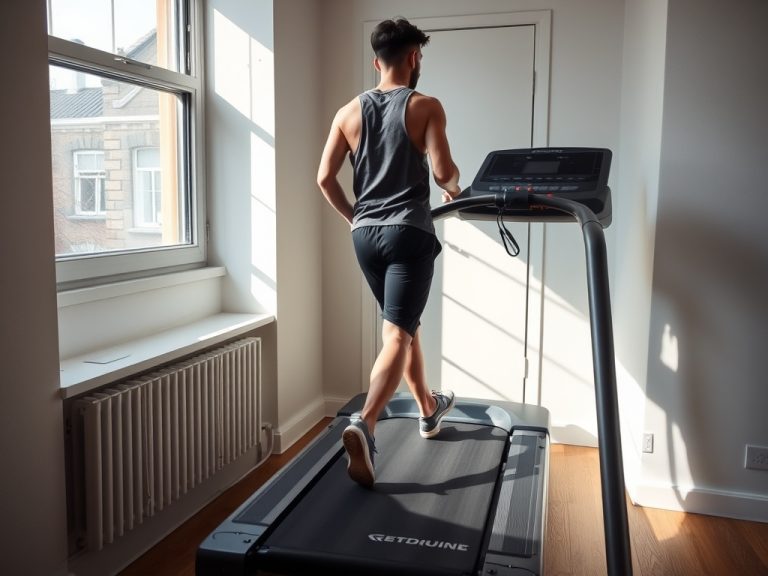
For cardio, perceived effort is often more useful than pace. A run or treadmill session may feel unusually hard because of cramps, sleep loss, heat, or stress. Adjust by using a lower incline, shorter duration, or more walk breaks. Pairing cycle notes with mobility and flexibility work can also help you understand whether discomfort is general stiffness or a recurring symptom.
A Balanced Tracking Routine
For the next two cycles, record the first day of bleeding, workout type, energy before training, perceived effort, symptoms, and one short note. Keep it simple enough to continue. At the end, look for repeat patterns. If there is no clear pattern, give yourself permission to train by readiness instead of cycle phase.
Your Body Is the Main Dataset
Cycle-aware training can be useful when it reduces friction and supports recovery. It becomes unhelpful when it turns normal variation into anxiety. Use tracking to personalize your plan, not to follow assumptions that may not apply to you.
How to Use App Data Without Letting It Control the Plan
Apps can make tracking easier, but predictions are not guarantees. Treat reminders and phase labels as prompts to check in, not as commands. If the app predicts low energy but you feel strong, you may train normally. If the app predicts a high-performance day but cramps or poor sleep are present, modify the session.
The most useful app notes are often simple: what you did, how it felt, and what symptoms were present. Too much data can make patterns harder to see. Choose a few signals that connect directly to training decisions.
Examples of Flexible Adjustments
On a day with cramps but decent energy, you might extend the warmup and keep strength work moderate. On a day with low sleep and high perceived effort, you might switch hard intervals to easy walking. On a day with normal energy, you might follow the plan without cycle-based changes. This flexible approach respects individual variation.
When Symptoms Deserve Medical Attention
Severe pain, very heavy bleeding, fainting, sudden changes, bleeding between periods, or symptoms that disrupt daily life should not be dismissed as normal training barriers. A healthcare professional can help evaluate what is happening. Fitness tracking should never pressure someone to train through concerning symptoms.
How Coaches and Training Partners Can Be Supportive
If you train with a coach or partner, communication should be practical and private. You do not need to explain personal details beyond what is useful for the session. A simple note such as “I need lower impact today” or “I want a longer warmup” can be enough. Good programming leaves room for readiness changes without making them dramatic.
Cycle-aware training should also avoid stereotypes. People who menstruate are not automatically fragile during one phase or powerful during another. The best plan respects individual data and autonomy.
How to Spot Useful Patterns
A useful pattern repeats. For example, if heavy lower-body sessions feel unusually hard on the first two bleeding days across several cycles, plan lighter work there. If no pattern appears, do not force one. Training by readiness may be more accurate than training by phase.
Keep Language Neutral
Use neutral notes such as energy, cramps, sleep, and effort instead of emotional labels. This makes the log easier to review and reduces the chance that one hard session turns into a fixed belief about your body.
Separate Readiness From Identity
A low-energy training day does not define your fitness, discipline, or capability. It is one data point. A high-energy day is also one data point. The goal of tracking is to understand patterns while leaving room for normal variation.
If your cycle notes show that certain days often feel harder, adjust the plan with respect rather than frustration. If your notes show no pattern, train according to readiness, schedule, and recovery instead of forcing a phase-based system.