Flexibility is the ability of a muscle or group of tissues to lengthen. Mobility is the ability to control movement through a useful range of motion, usually involving joints, strength, coordination, and stability.
TL;DR: Flexibility Is Range, Mobility Is Usable Range
Stretching can improve comfort and range, but mobility asks whether you can control that range during real movement. A person may be flexible in a passive hamstring stretch but still struggle to hinge well under load. General activity guidance from the CDC physical activity guidance supports regular movement, while your specific mobility needs depend on your sport, job, training plan, and limitations.
Why the Difference Matters
Many people use mobility and flexibility as if they mean the same thing. That can lead to the wrong solution. If your squat feels limited because your ankles lack range, flexibility work may help. If your hip range exists on the floor but disappears when you stand, you may need strength and control. If a joint feels painful, neither random stretching nor aggressive mobility drills should replace assessment.
This distinction helps with program decisions. Someone choosing a strength-training split needs enough mobility to perform selected lifts safely, but that does not mean they need extreme flexibility.
A Simple Comparison
| Concept | Main Question | Example | Training Approach |
|---|---|---|---|
| Flexibility | Can the tissue lengthen? | Holding a calf stretch | Static stretching, gentle long holds |
| Mobility | Can you control the range? | Squatting with balanced foot pressure | Dynamic drills, strength, stability work |
| Stability | Can you resist unwanted movement? | Keeping knees aligned in a lunge | Strength and coordination practice |
| Movement skill | Can you apply it in context? | Hinging during a deadlift pattern | Repetition, coaching, load management |
The categories overlap. A good warmup may include all four in small amounts.
When Flexibility Work Is Enough
Flexibility work may be useful when a specific muscle group feels tight and the limitation is not painful. Static stretching after training, gentle long holds during a separate session, or relaxed breathing in a stretch can help some people feel better. This is subjective advice, not a guaranteed outcome. People respond differently based on activity history, tissue sensitivity, and consistency.
Flexibility work should not be forced. Sharp pain, numbness, tingling, or joint pinching are reasons to stop and seek guidance.
When You Need Mobility Instead
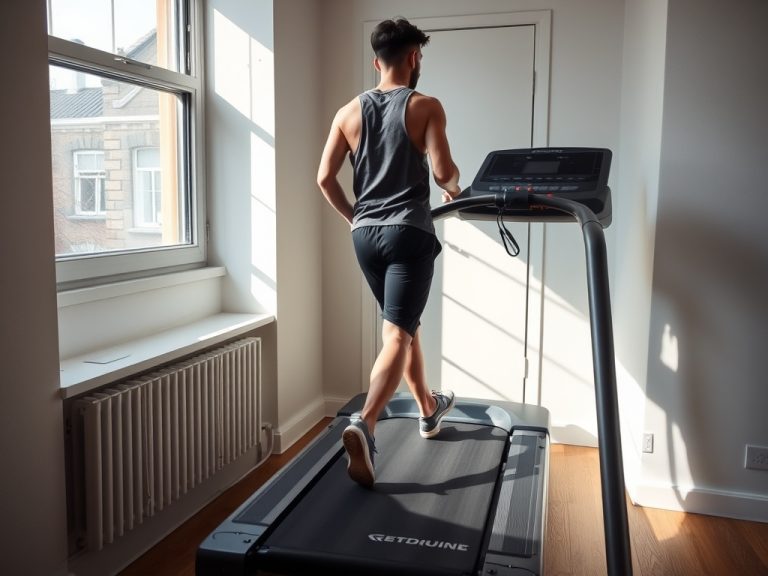
Mobility becomes more relevant when you need range during movement. A runner may need ankle and hip control. A lifter may need shoulder motion for overhead pressing. A desk worker may need thoracic rotation and hip movement to feel less restricted during daily activity. If stamina training is also part of your routine, beginner treadmill workouts may feel better when paired with simple ankle, calf, and hip preparation.
Mobility drills should connect to the task. Random complex flows can look impressive but may not solve your actual limitation. Choose drills that improve the movement you care about.
A Practical Checklist
Use this checklist before adding a long mobility routine:
- Which movement feels limited: squat, hinge, overhead reach, lunge, rotation, stride, or sitting posture?
- Is the limitation painful, stiff, weak, or unfamiliar?
- Does range improve after a warmup?
- Can you control the range slowly?
- Does the issue appear on both sides or only one side?
- Does it affect training quality or daily comfort?
If the answer points to pain, instability, or a major side-to-side difference, consider professional support rather than guessing.
Common Mobility Mistakes
One mistake is stretching aggressively before heavy lifting and then expecting maximum control. Another is doing complex drills without connecting them to a goal. A third is using mobility work to avoid strength training. Usable range often needs strength, not only stretching.
A fourth mistake is assuming more range is always better. Some activities require large ranges, but general health and daily training usually need enough range to move comfortably and safely. The HHS Physical Activity Guidelines focus on activity patterns rather than extreme mobility standards.
How to Build a Ten-Minute Routine
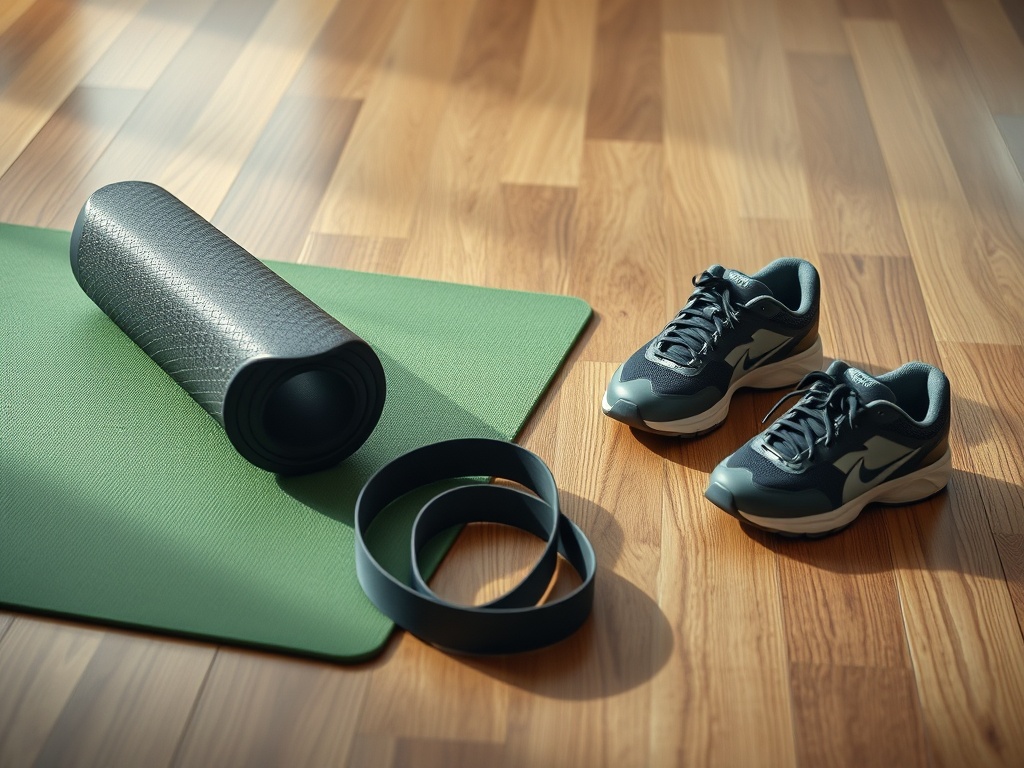
Start with two minutes of easy movement, such as walking, cycling, or marching. Then choose one drill for the ankles or calves, one for hips, one for the upper back, and one for shoulders. Finish with two controlled repetitions of the movement you want to improve. For example, if squats are the goal, practice slow bodyweight squats after the drills.
If you miss a week of training, do not use mobility work as punishment. The habit-recovery approach in getting back on track after missed workouts can help you restart without overcorrecting.
How to Measure Improvement
You can track comfort, range, control, and transfer. Comfort means the movement feels less restricted. Range means the position improves. Control means you can move slowly without compensating. Transfer means your squat, stride, press, or daily activity actually feels better. Transfer is the most important measure.
A Useful Starting Point
Pick one movement that matters to you and choose three drills that clearly support it. Practice them three times this week before training or during a short movement break. Keep what transfers. Drop what only looks impressive.
Where Mobility Fits in a Weekly Program
Mobility work can appear in three places: warmups, short standalone sessions, or cooldowns. Warmups should prepare the movement you are about to do. A lower-body strength day might include ankle rocks, hip airplanes, and bodyweight squats. A treadmill day might include calf raises, leg swings, and easy walking. A desk-break routine might include upper-back rotations and hip flexor movement.
Standalone sessions can be useful when you want to improve a specific limitation without rushing. Cooldowns can be calmer and may include more relaxed stretching. The best placement depends on whether you need performance preparation, movement practice, or relaxation.
How to Avoid Chasing Random Drills
The internet offers endless mobility routines, but more variety can make progress harder to measure. Pick one goal movement and choose drills that transfer to it. If overhead reaching is limited, focus on thoracic rotation, shoulder control, and breathing. If lunges feel restricted, look at ankles, hips, and balance. If the drill does not improve the target movement after a fair test, replace it.
When to Get Help
If your movement is limited by pain, repeated injury, numbness, tingling, swelling, or a major side-to-side difference, professional evaluation is the wiser path. Mobility content can support general training, but it cannot diagnose the cause of a restriction.
Examples by Training Goal
For squats, ankle mobility, hip control, and trunk stability may matter more than passive hamstring flexibility. For overhead pressing, shoulder motion and upper-back extension may matter. For running or treadmill walking, calves, hips, and foot control often affect comfort. For general desk stiffness, frequent short movement breaks may work better than one long stretching session at night.
These examples show why the goal should lead the routine. A person who wants to move better during daily life may not need advanced positions. They may need simple drills performed often enough to change how they stand, walk, reach, and lift.
How Long Until You Notice Change?
Some people feel short-term comfort after one session, but durable change usually requires repetition. Give a focused routine two to four weeks. If the target movement improves, keep it. If nothing changes, adjust the drill selection, effort, or consistency. If pain is the barrier, get help rather than adding more intensity.
Keep the Routine Small Enough to Repeat
A mobility plan does not need to be long. Five focused minutes before the activity you care about can be more useful than an elaborate routine you skip repeatedly.